NEWS
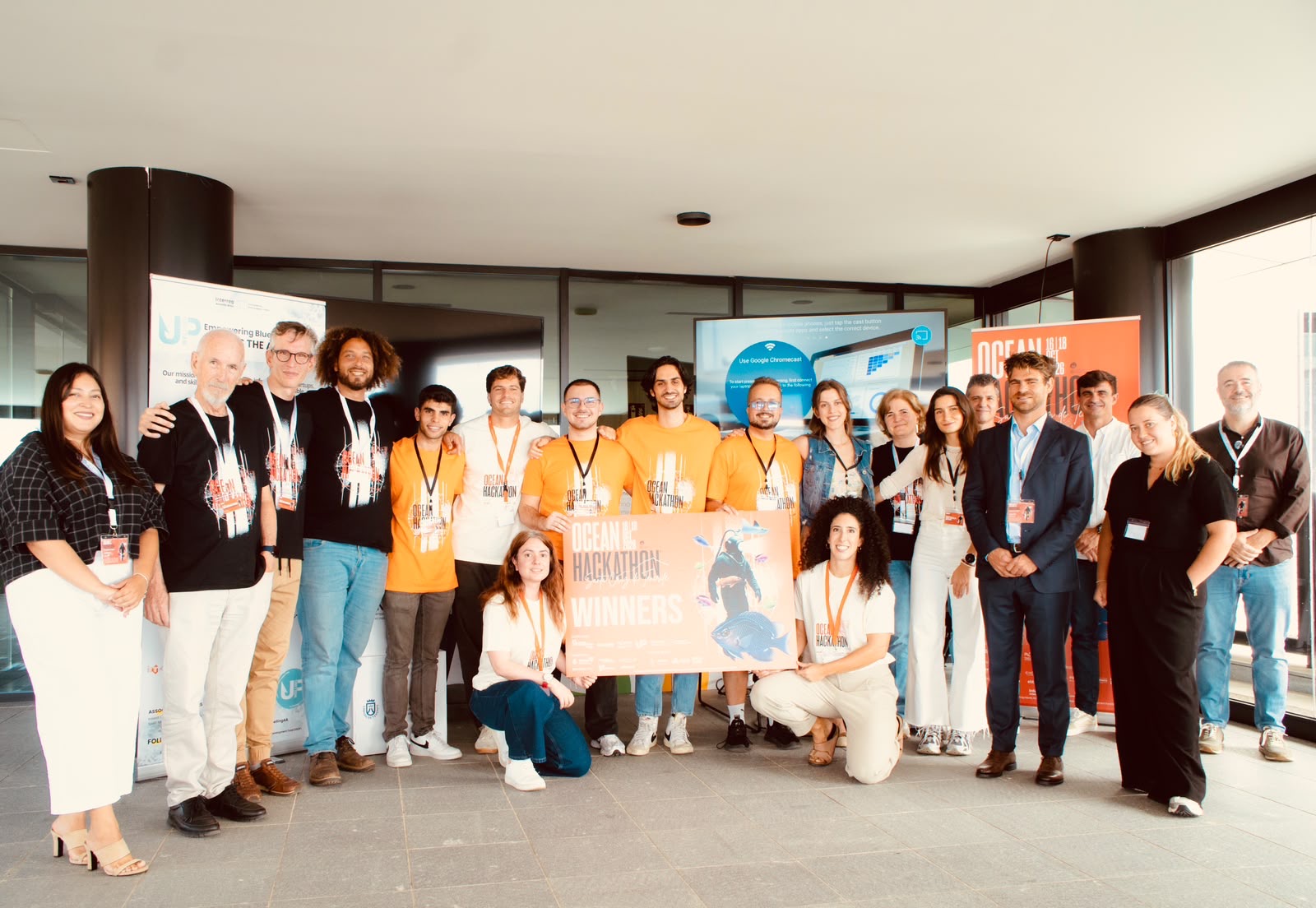
Tenerife Technology Park hosts the first Spanish edition of Ocean Hackathon®
INtech Tenerife – Enclave Cuevas Blancas, located at the Tenerife Technology Park in Santa Cruz de Tenerife, hosted the first Spanish edition of Ocean Hackathon®, bringing together multidisciplinary teams, challenge owners and data experts who worked intensively to transform real needs from the marine sector into innovative, data-driven prototypes and solutions. PLOCAN participated as co-organiser
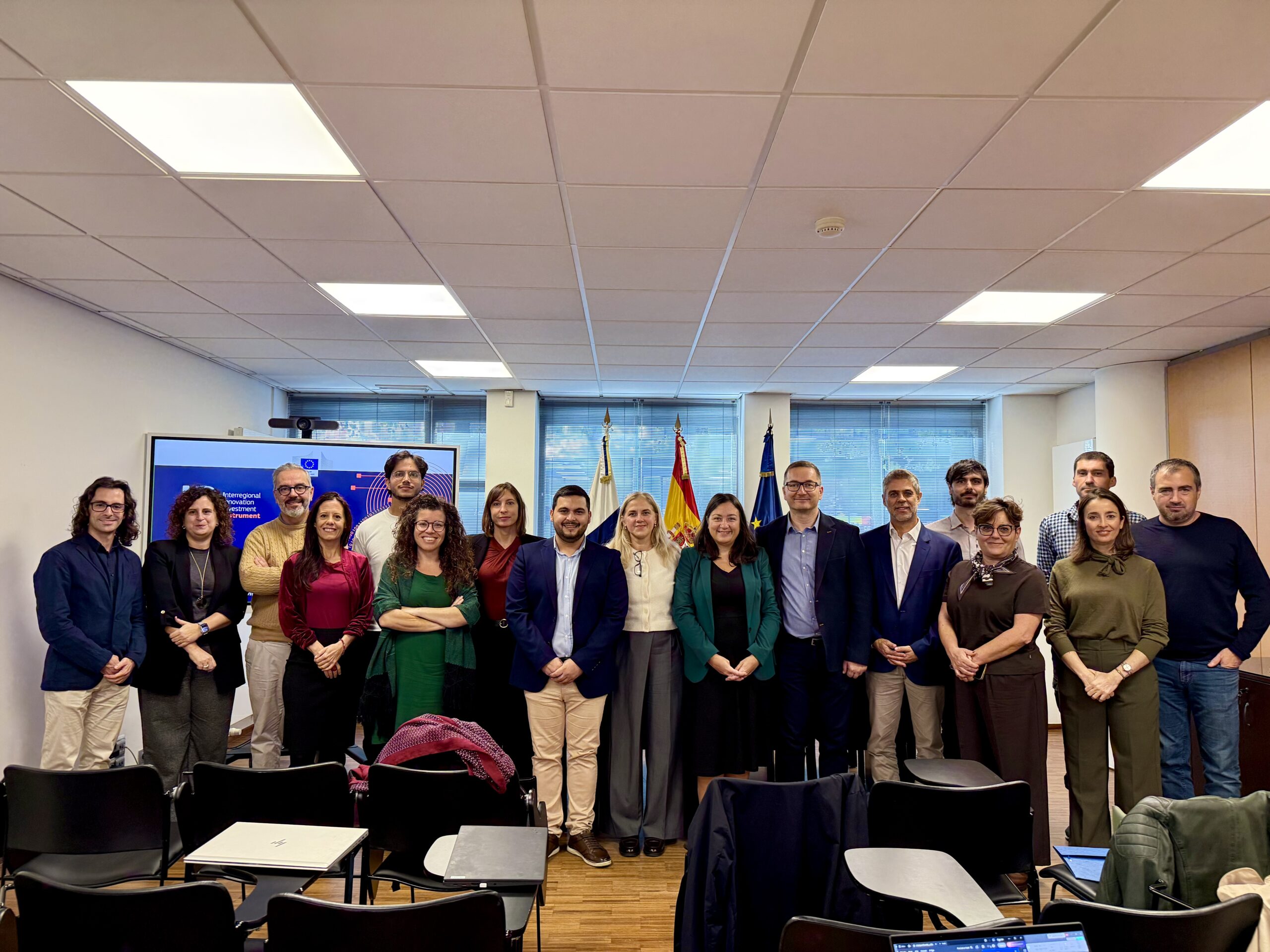
H2BLUE launches the deployment of green hydrogen in the Atlantic blue economy in Brussels and promotes new European partnerships
PLOCAN coordinates the kick-off of the project, bringing together 17 partners, and facilitates four thematic working groups to identify funding calls, collaboration opportunities and future marine innovation consortia.
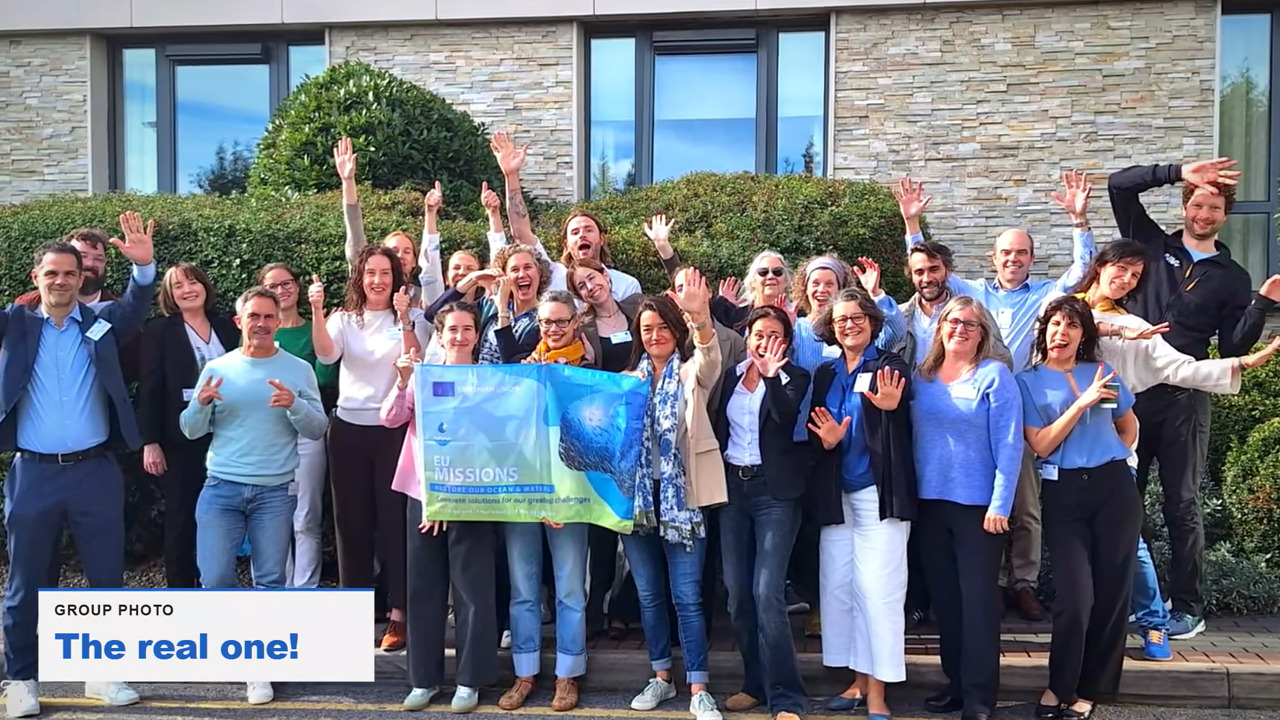
BlueMissionAA2030 launches a new phase in Dublin to accelerate the restoration of oceans and waters
BlueMissionAA2030 has officially begun its journey with a kick-off meeting held in Dublin, bringing together the consortium partners to coordinate the work of a four-year programme aimed at accelerating the implementation of the European Union Mission “Restore our Ocean and Waters” in the Atlantic and Arctic region. The initiative brings together organisations from Portugal, Spain,
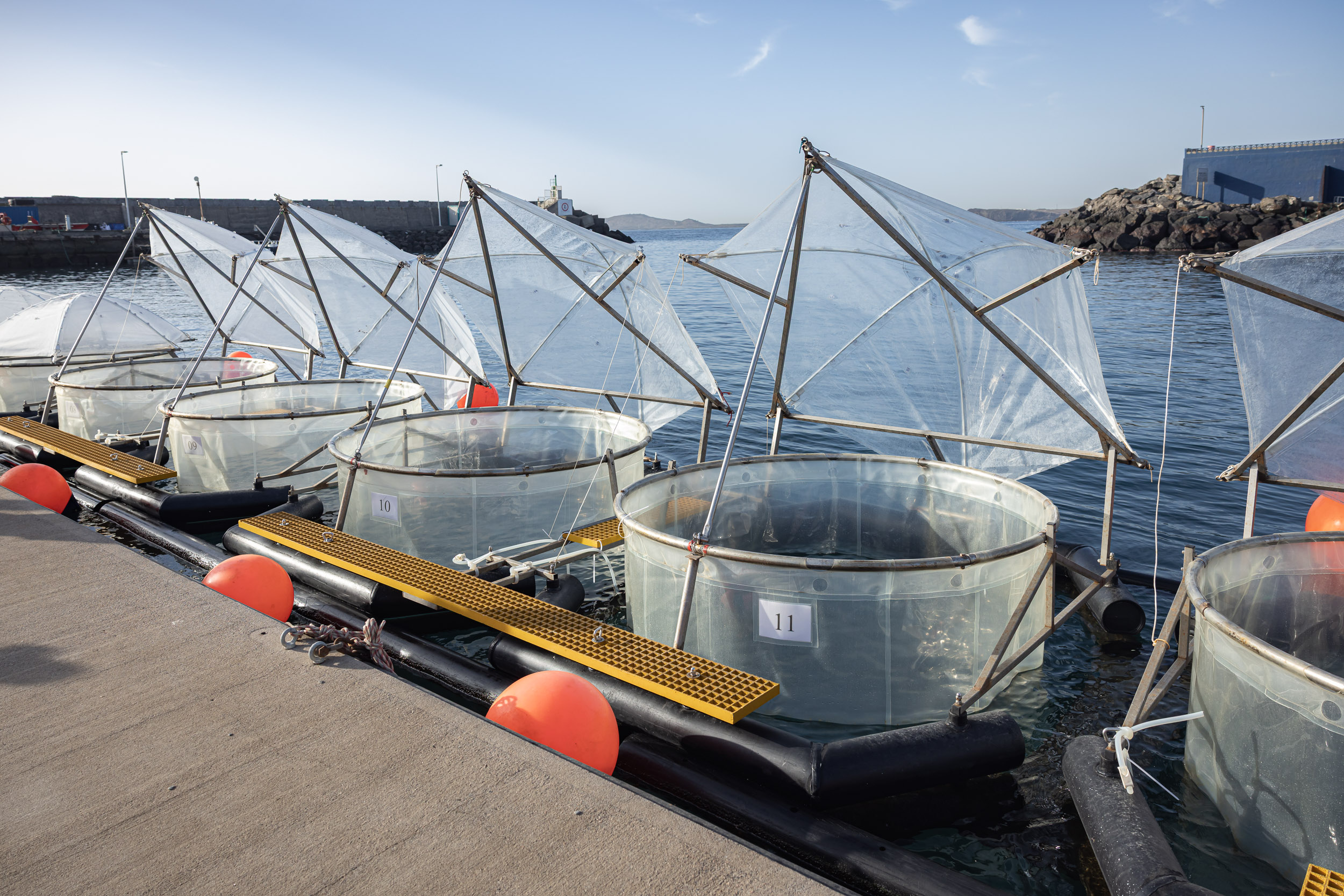
GEOMAR Helmholtz Centre for Ocean Research Kiel tests the use of concrete waste for ocean climate protection in Gran Canaria
Scientists from the GEOMAR Helmholtz Centre for Ocean Research Kiel, together with several international institutions and in collaboration with the Oceanic Platform of the Canary Islands (PLOCAN), have deployed twelve marine laboratories to study the potential use of concrete waste for ocean climate protection. The experiment was presented at the Taliarte quay, in Telde, by
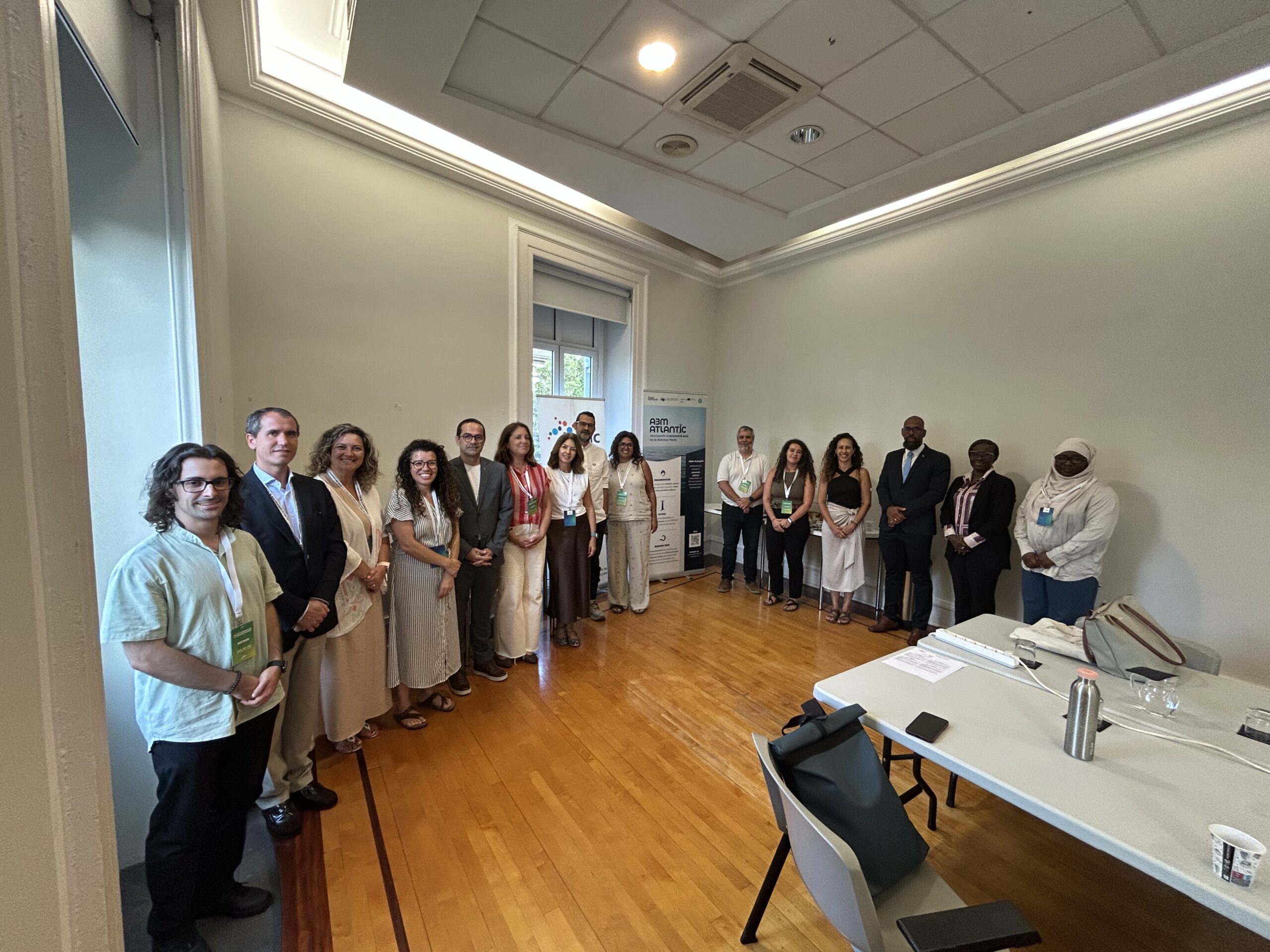
A3MAtlantic holds its monitoring meeting as part of the 1st European Ocean Pact Congress in the Canary Islands
The Oceanic Platform of the Canary Islands (PLOCAN) took part in the monitoring meeting of the A3MAtlantic project, held in Las Palmas de Gran Canaria with the participation of the initiative’s partners. The meeting was held as part of the 1st European Ocean Pact Congress in the Canary Islands, in which A3MAtlantic took part as
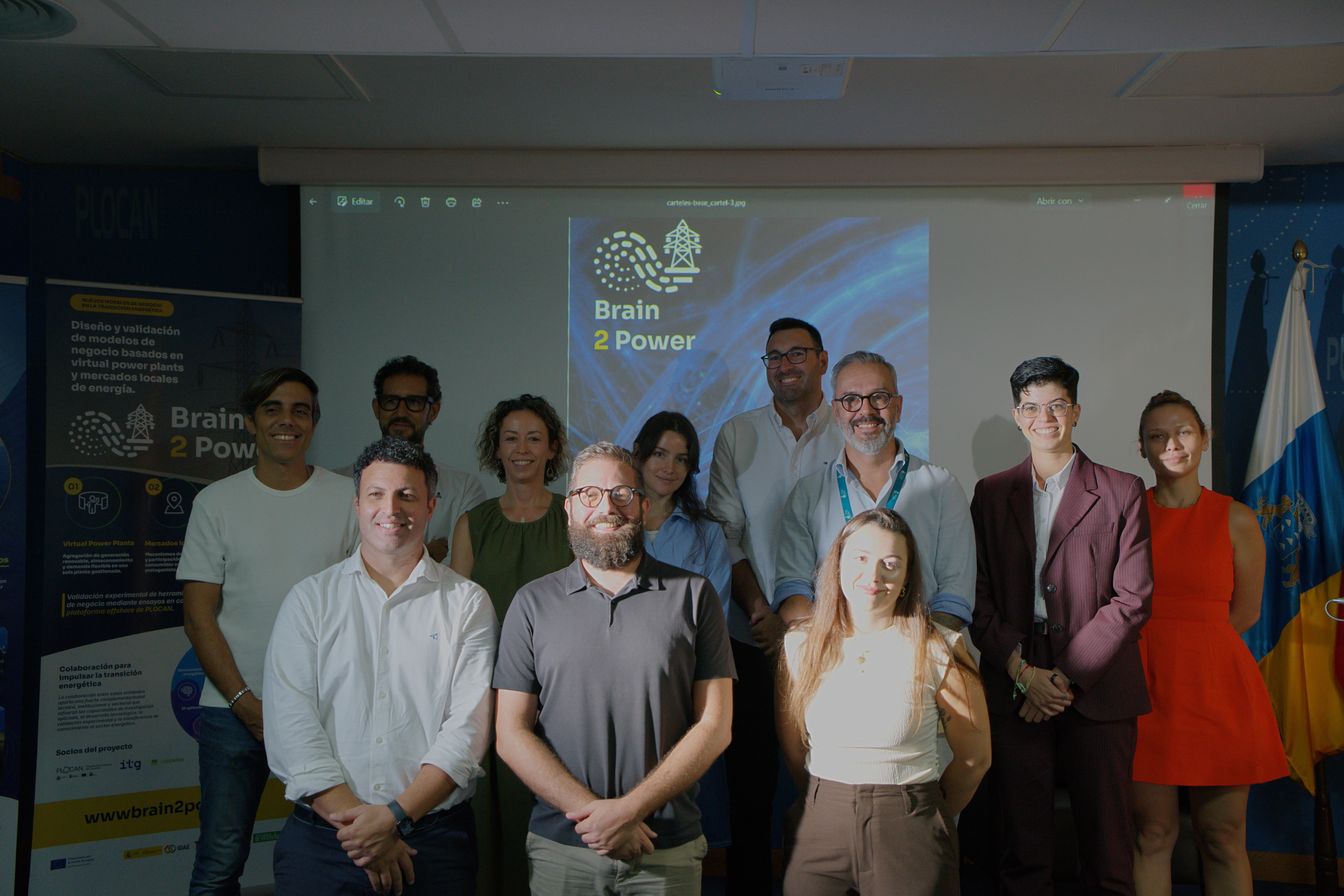
Forum at PLOCAN on new business models based on sustainable energy transition
The Oceanic Platform of the Canary Islands (PLOCAN) has held the 1st Brain2Power Forum: New Business Models Based on the Sustainable Energy Transition, to present the progress, opportunities and new approaches associated with the transition towards a more flexible, digitalised and sustainable energy system. The Forum was organised as part of the Brain2Power project, which
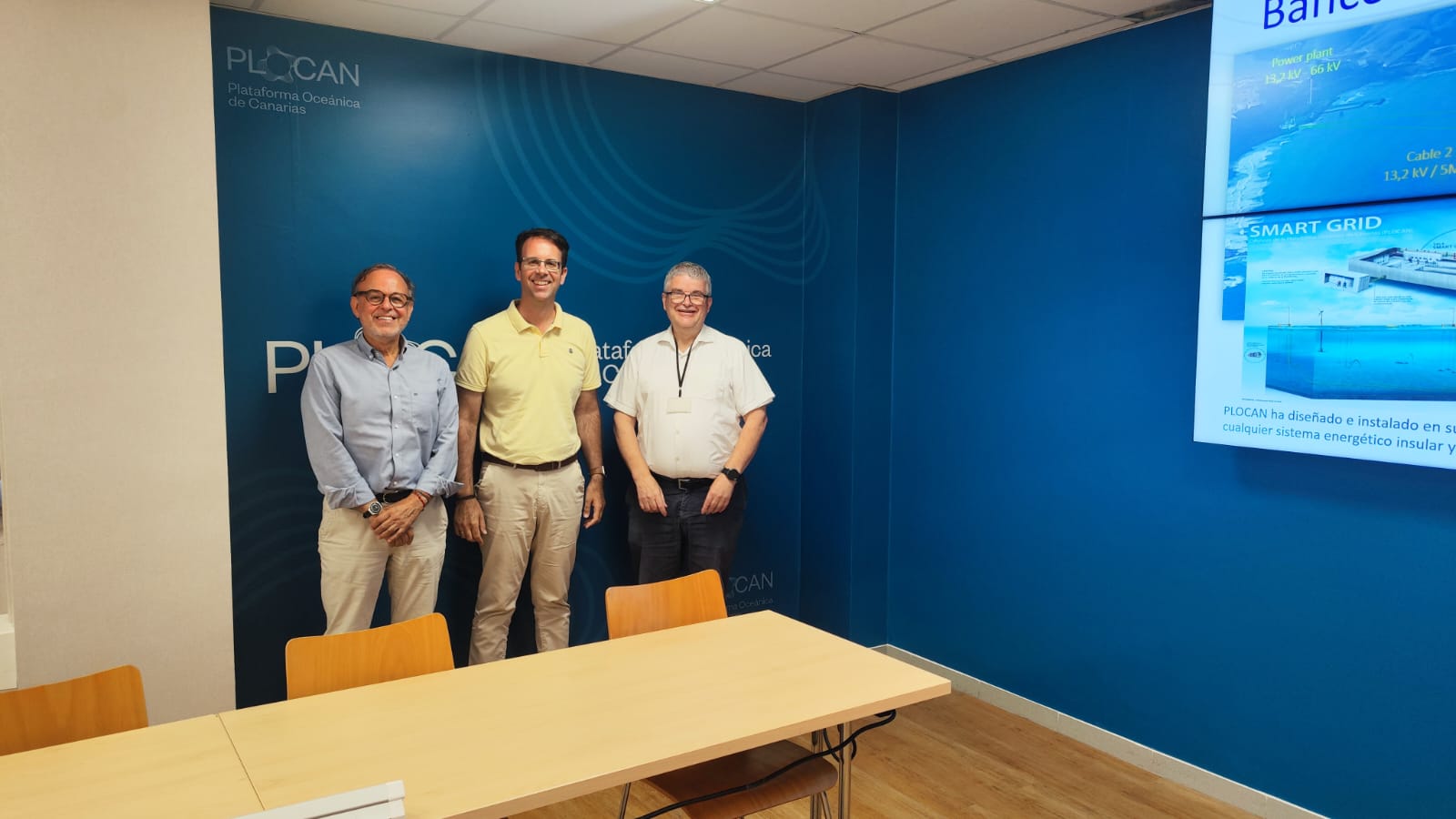
PLOCAN and La Gomera island Council move forward on a marine and coastal cooperation framework
The Oceanic Platform of the Canary Islands (PLOCAN) and La Gomera Island Council have met to advance the preparation of a collaboration framework aimed at connecting PLOCAN’s scientific and technological capabilities with the island’s priorities and facilitating the development of initiatives related to the marine and coastal environment. The meeting was attended by Adasat Reyes,
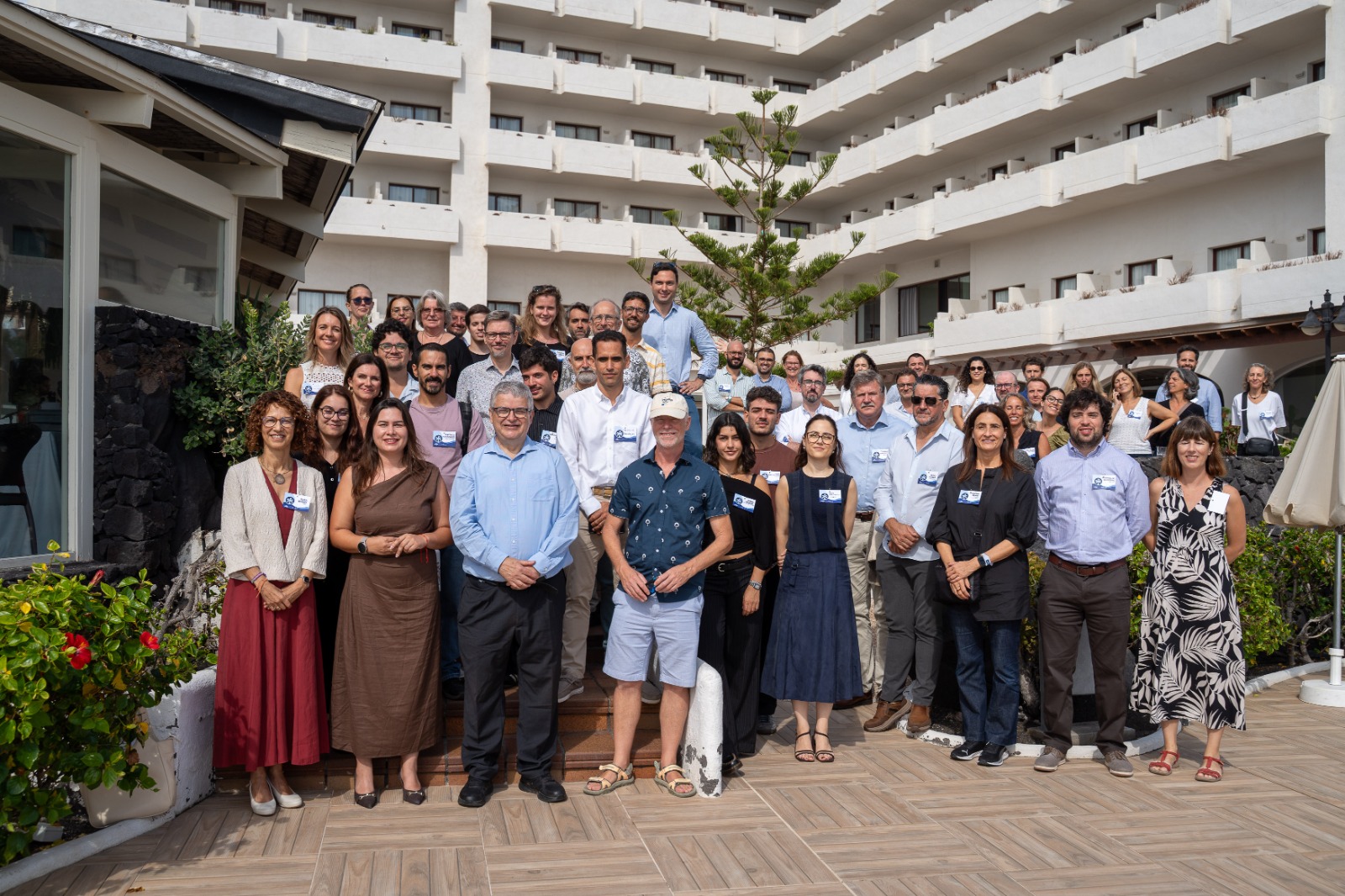
La Palma leads the launch of the European project ‘Isla Bonita’
The island of La Palma is hosting, until 23 September, the launch meeting of the European project ‘Isla Bonita’ (Supporting Managing Authorities to Restore the Oceans and Waters on Islands), an initiative funded by the European Union under the Horizon Europe Mission ‘Restore our Ocean and Waters by 2030’, bringing together representatives of the consortium’s
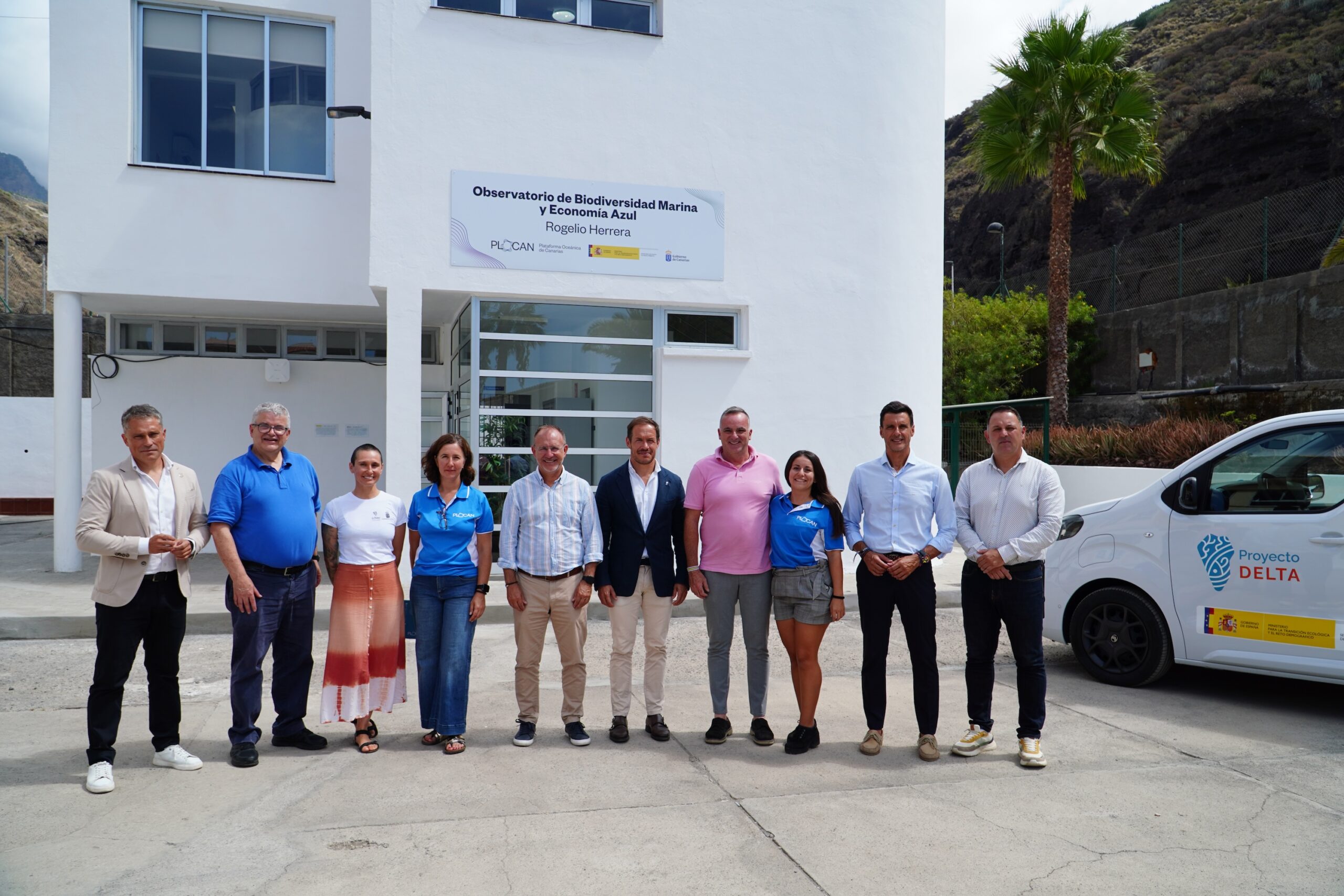
PLOCAN strengthens scientific and social activity at BECOMAR “Rogelio Herrera” through agreement with the La Palma World Biosphere Reserve
The Oceanic Platform of the Canary Islands (PLOCAN) and the Canary Foundation for the La Palma World Biosphere Reserve have signed a General Cooperation Protocol establishing a stable framework for collaboration to promote research, innovation, sustainability and knowledge transfer in La Palma, with particular attention to the island’s marine and coastal environment. The agreement was

PLOCAN joins the R&D&I ecosystem of the Tenerife Science and Technology Park
The Oceanic Platform of the Canary Islands (PLOCAN) has officially opened offices at the Barranco Hondo site of the Science and Technology Park of the Tenerife Island Council, in order to support various research, development and innovation projects in response to the growing activity carried out on the island, and to strengthen coordination and collaboration