The European project AQUAWIND, coordinated from the Canary Islands and co-funded at 80% by the European Union through the European Maritime, Fisheries and Aquaculture Fund (EMFAF), celebrated its final event at the Museo Elder de la Ciencia y la Tecnología, marking the conclusion of 45 months of work dedicated to demonstrating the feasibility of integrating floating offshore wind and offshore aquaculture within a single multi-use platform.
The project addresses one of Europe’s major maritime challenges: optimizing the use of marine space in areas where activities such as fisheries, tourism and maritime transport increasingly coexist. AQUAWIND proposes a transition from fragmented maritime use towards an integrated offshore model capable of simultaneously generating renewable energy and sustainable food production.
A real offshore prototype tested in the Atlantic
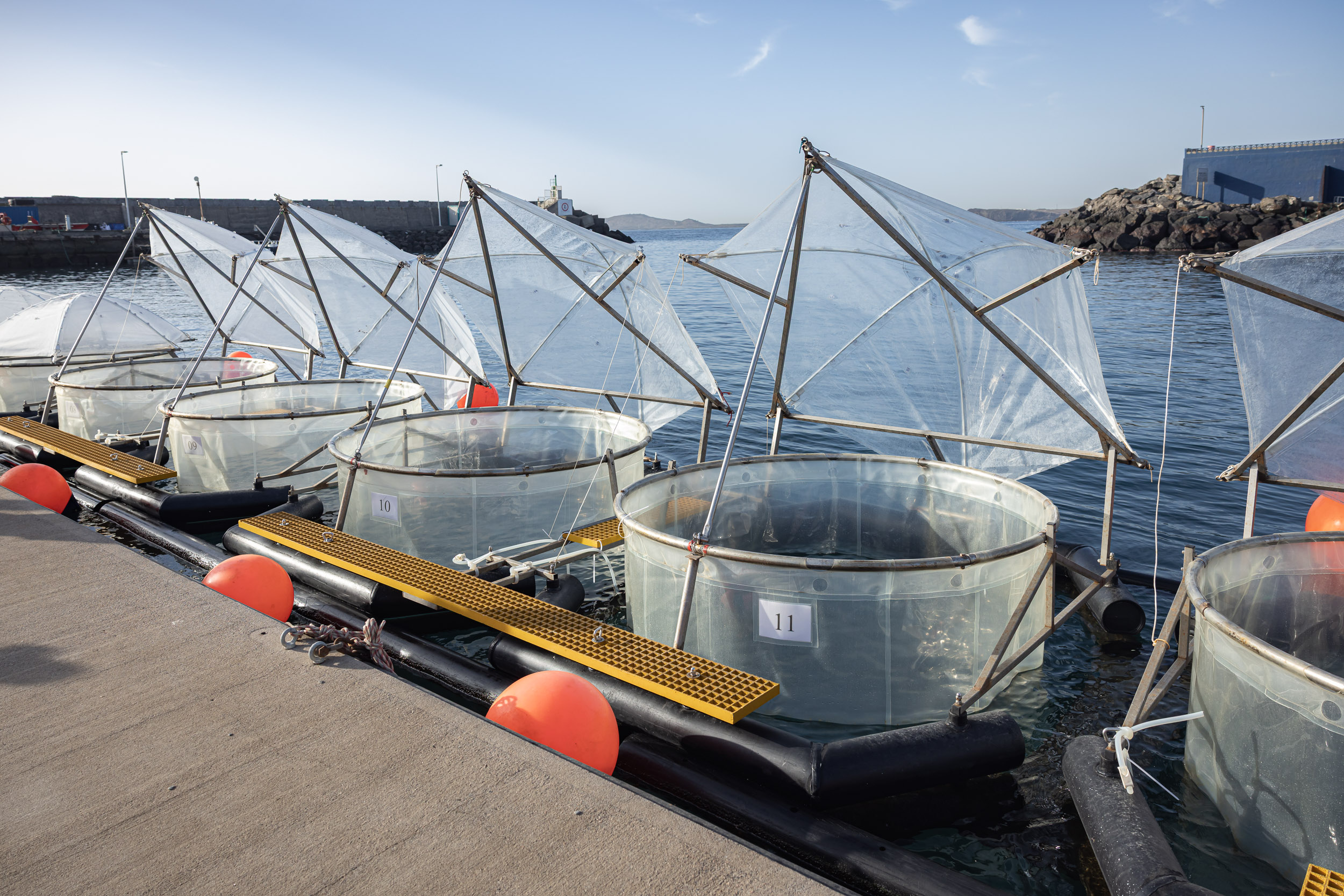
One of the project’s main milestones has been the deployment and validation of a real prototype at the offshore test site operated by PLOCAN. The demonstrator integrates EnerOcean’s W2Power floating offshore wind platform together with an automated aquaculture cage equipped with advanced monitoring systems.

The testing campaign included the introduction of juvenile seabream to evaluate fish behaviour under offshore conditions, while also assessing the structural response of the integrated platform and its interaction with the marine environment. The prototype was additionally designed to evaluate the potential cultivation of high-value species such as greater amberjack (Seriola dumerilii), contributing to diversification opportunities within the aquaculture sector.
Environmental and social impact
Beyond technical validation, AQUAWIND has contributed to advancing knowledge regarding the environmental impact and social acceptance of multi-use offshore solutions. Project results indicate that the integration of offshore wind and aquaculture can optimize marine space use, reduce environmental pressures and generate synergies between sectors.
The project also carried out extensive stakeholder engagement activities involving public authorities, industry representatives, researchers and civil society through surveys, interviews and participatory actions. More than 120 contributions were collected in the Canary Islands, enabling the consortium to analyse perceptions and identify barriers associated with offshore multi-use deployment.
According to the results obtained, the integration of both activities is increasingly perceived not as a conflict, but as an opportunity to generate economic value and qualified employment in the archipelago.
Regulation and social acceptance remain key challenges
Despite the progress achieved, the project highlights that the main barriers to large-scale deployment are no longer technological, but regulatory and administrative. Currently, no specific legal framework exists for multi-use offshore platforms, while permitting procedures remain complex and fragmented.
AQUAWIND has therefore developed recommendations aimed at public administrations and industry stakeholders to support future deployment pathways and avoid limiting these innovations to demonstration-scale projects.
A European event to share results and discuss the future
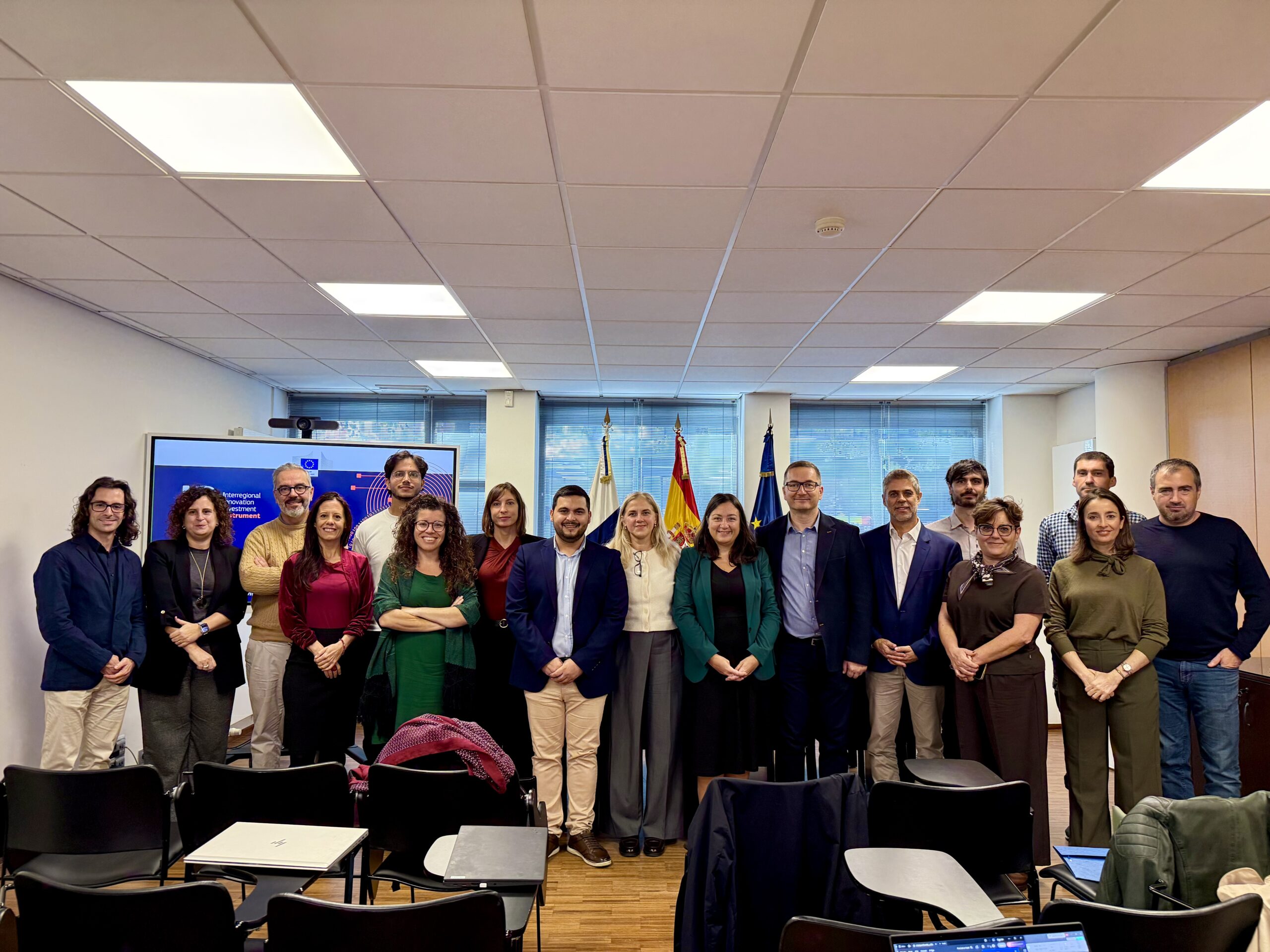
The final event gathered institutional representatives, European experts and project partners to present the project’s main achievements and discuss the future of offshore multi-use solutions.
The opening session included representatives from the ACIISI, the European Commission’s Directorate-General for Maritime Affairs and Fisheries (DG MARE), and the European Climate, Infrastructure and Environment Executive Agency (CINEA), highlighting the project’s strong alignment with European Blue Economy policies.
The programme also featured presentations of the project’s technical results, roundtable discussions focused on environmental and social impacts, and debates on the regulatory challenges associated with future deployment. Participants additionally had the opportunity to experience the AQUAWIND prototype through an immersive virtual reality demonstration.
During the opening session, Javier Franco, Director of ACIISI, emphasized the strategic role of the Canary Islands:
“We are not only participating in European projects; we are leading initiatives that position the Canary Islands as a real-world laboratory for Blue Economy innovation.”
From demonstration to market deployment
AQUAWIND leaves a double legacy: on one hand, real operational data validating the technical, environmental and economic feasibility of integrated offshore solutions; and on the other, a collaborative model between sectors that lays the foundations for future development.
The next step will involve progressing towards pre-commercial and commercial deployment phases at a time when Europe must accelerate offshore renewable energy deployment while strengthening food security and sustainable blue growth.