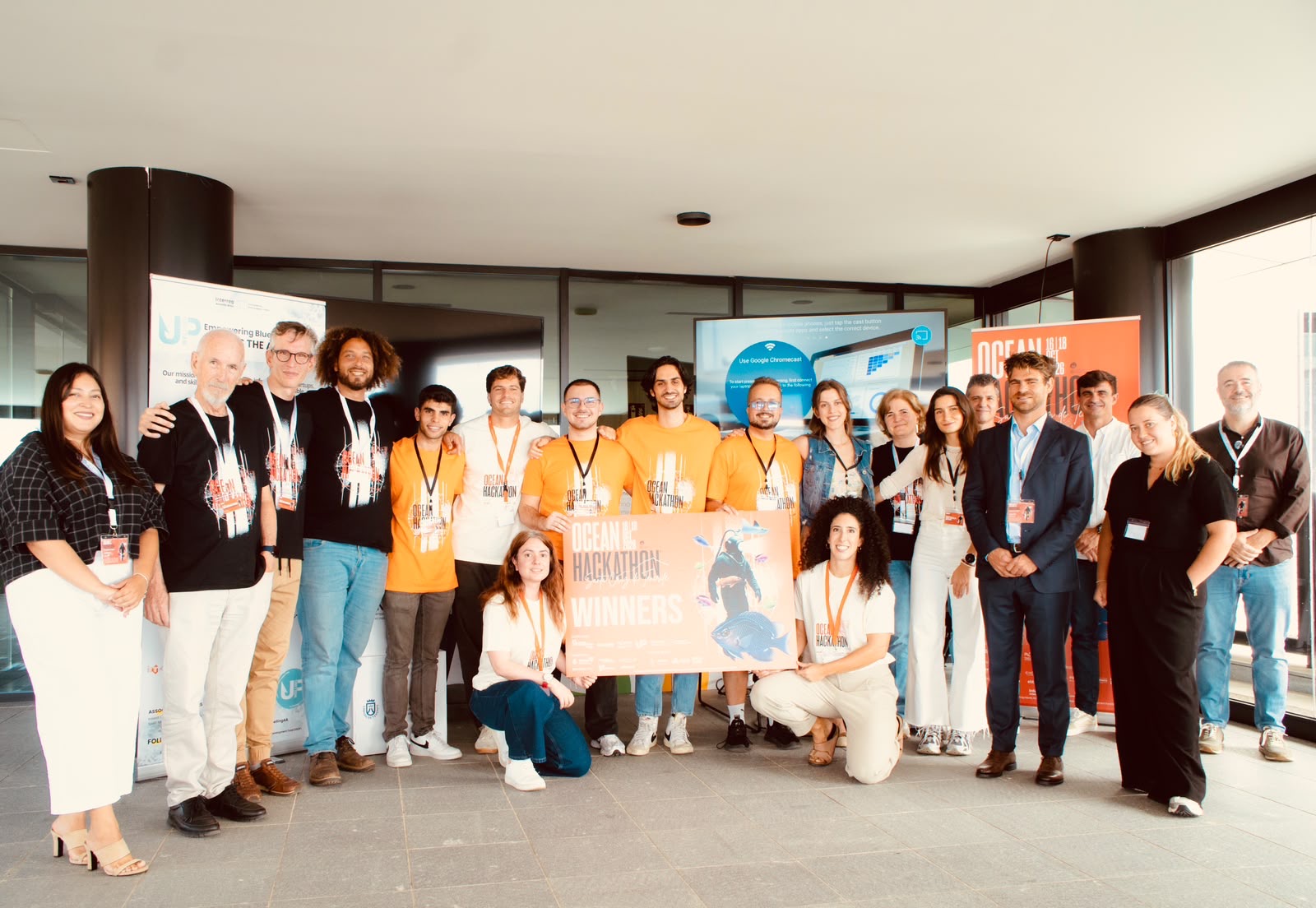
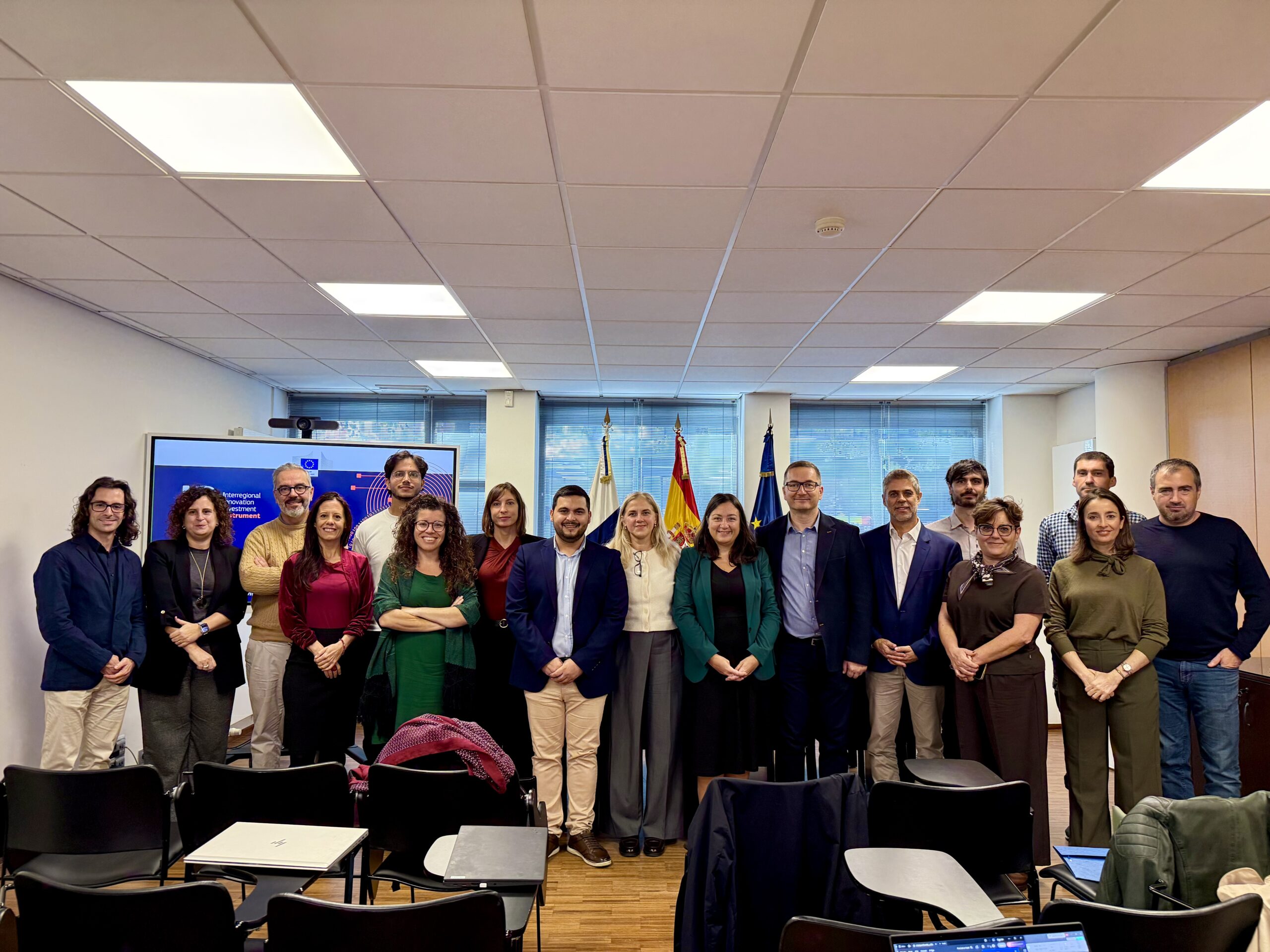
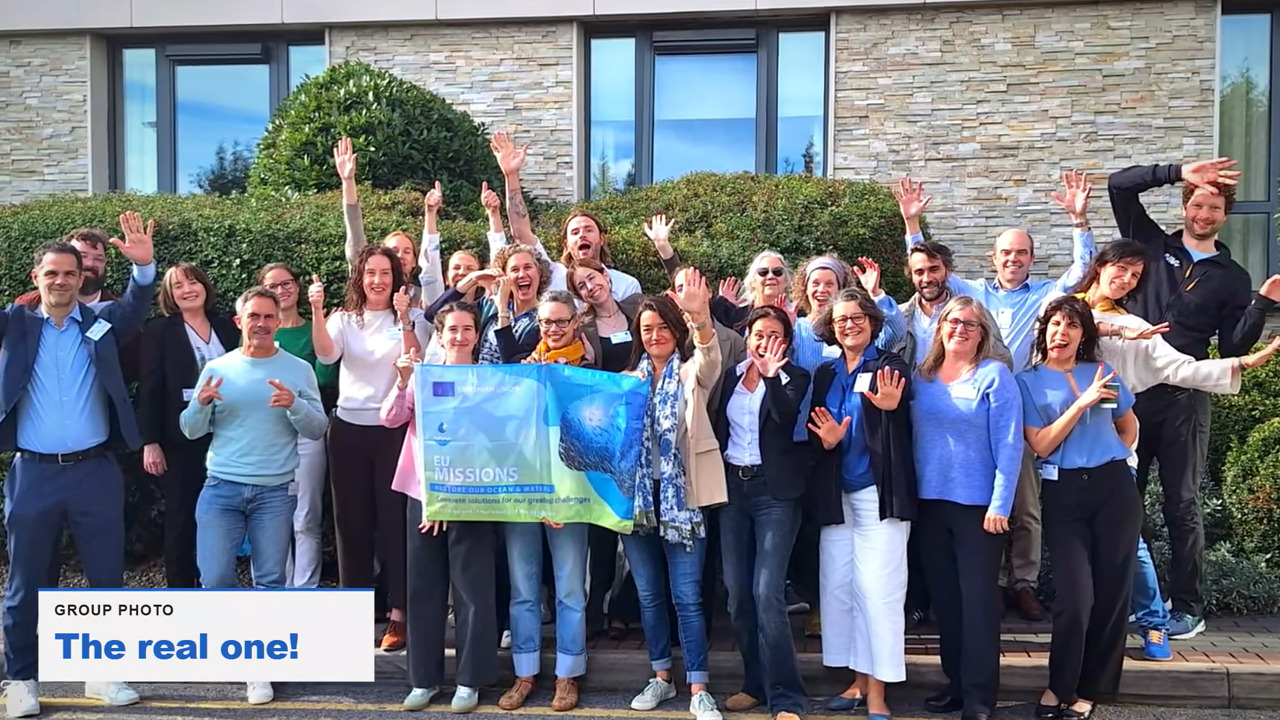
Members of the international consortium of the WECHULL+ project, focused on the development of innovative solutions for floating structures for the marine renewable energy sector, holded a working meeting at the facilities of the Oceanic Platform of the Canary Islands (PLOCAN).
The meeting brings together the eight project partners, representing Sweden, Poland, the Netherlands, Ireland and Spain: Research Institutes of Sweden (RISE), TU Delft, CETO Wave Energy Ireland, Ocean Harvesting Technologies AB, Gdansk Tech (Politechnika Gdańska), SolarDuck, Pekabex and PLOCAN.
During the working sessions, the partners are reviewing the progress achieved within each of the work packages (WPs), assessing the current status of the technical and management activities, and addressing the main challenges identified throughout the project’s development. The meeting is also enabling the consortium to define joint solutions and coordinate the next steps required to ensure the proper progress of the initiative.
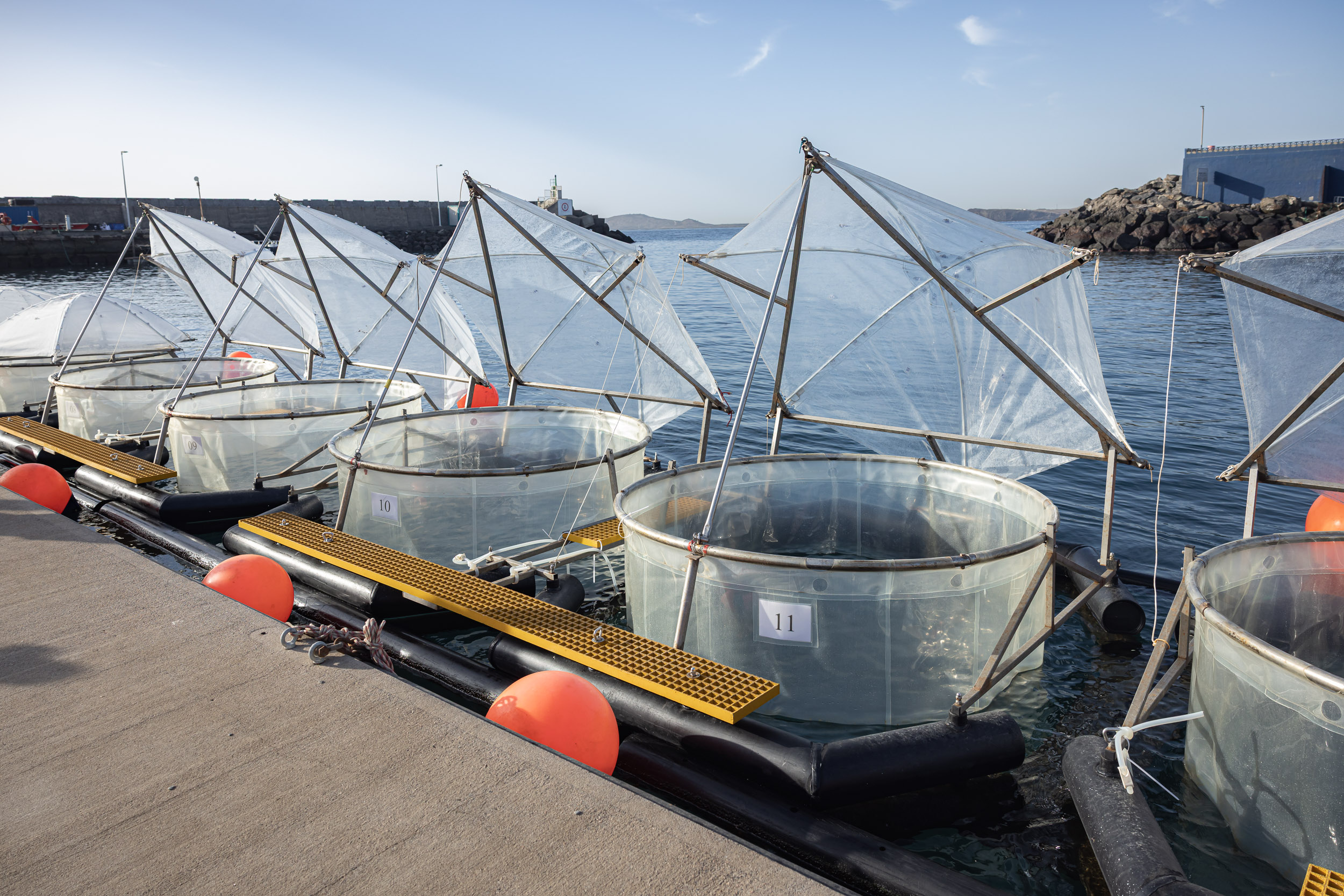
One of the key topics addressed during the meeting is the planning of upcoming experimental activities related to biofouling studies on materials and solutions developed within the framework of the project. These activities will contribute to evaluating material performance in the marine environment and gathering relevant information for future offshore applications. In this context, PLOCAN plays an important role as a testing infrastructure and technical support facility for the planned activities.
The WECHULL+ project is funded by the Clean Energy Transition Partnership (CETPartnership), under the 2022 Joint Call for Research Proposals, with funding from the European Commission (GA No. 101069750) and the participating funding organisations listed on the official CETPartnership website. The project has a total budget of €2,983,449.41.
This meeting allows the consortium to continue strengthening collaboration among partners and advancing the development of innovative solutions aimed at supporting a sustainable energy transition in the marine environment.