NEWS
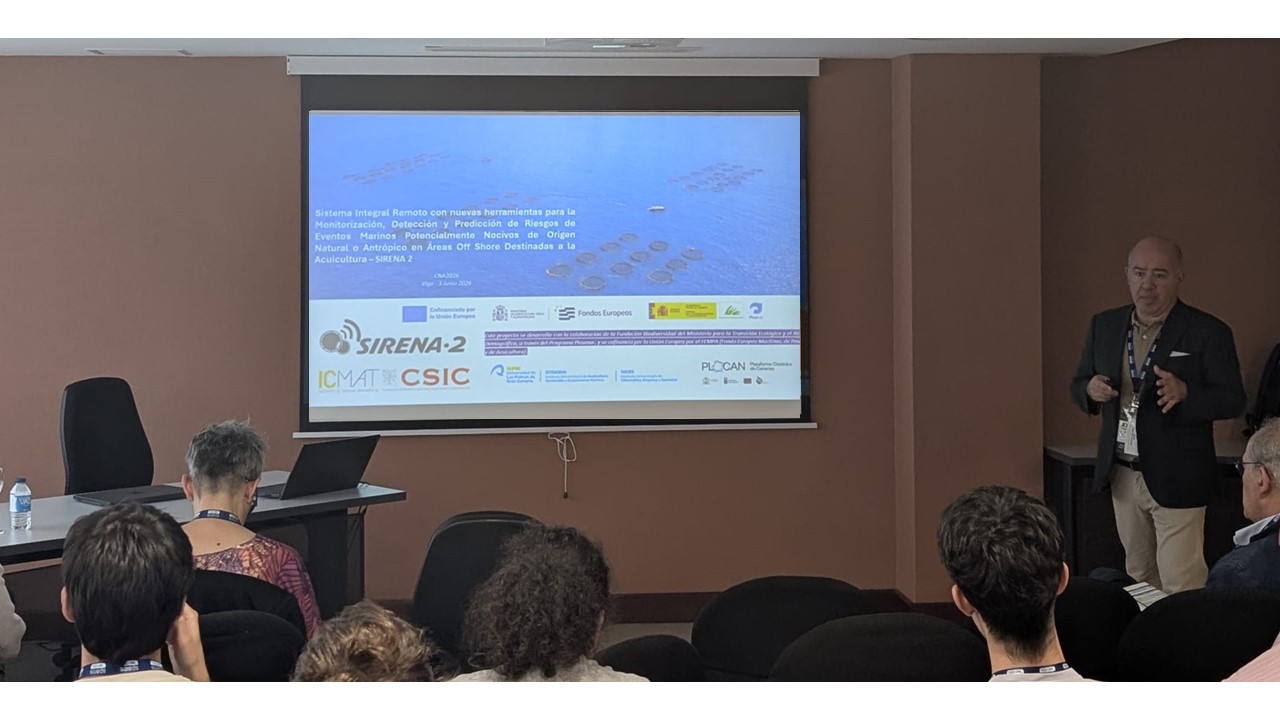
PLOCAN at the 2026 National Aquaculture Congress: Ocean technology at the service of sustainable offshore aquaculture
The Oceanic Platform of the Canary Islands –PLOCAN– joins this week in the National Aquaculture Congress 2026 (CNA2026), which is taking place in the city of Vigo, presenting its contribution as a partner of the SIRENA 2 project together with the Institute of Mathematical Sciences (ICMAT-CSIC), consortium coordinator, and the University of Las Palmas de
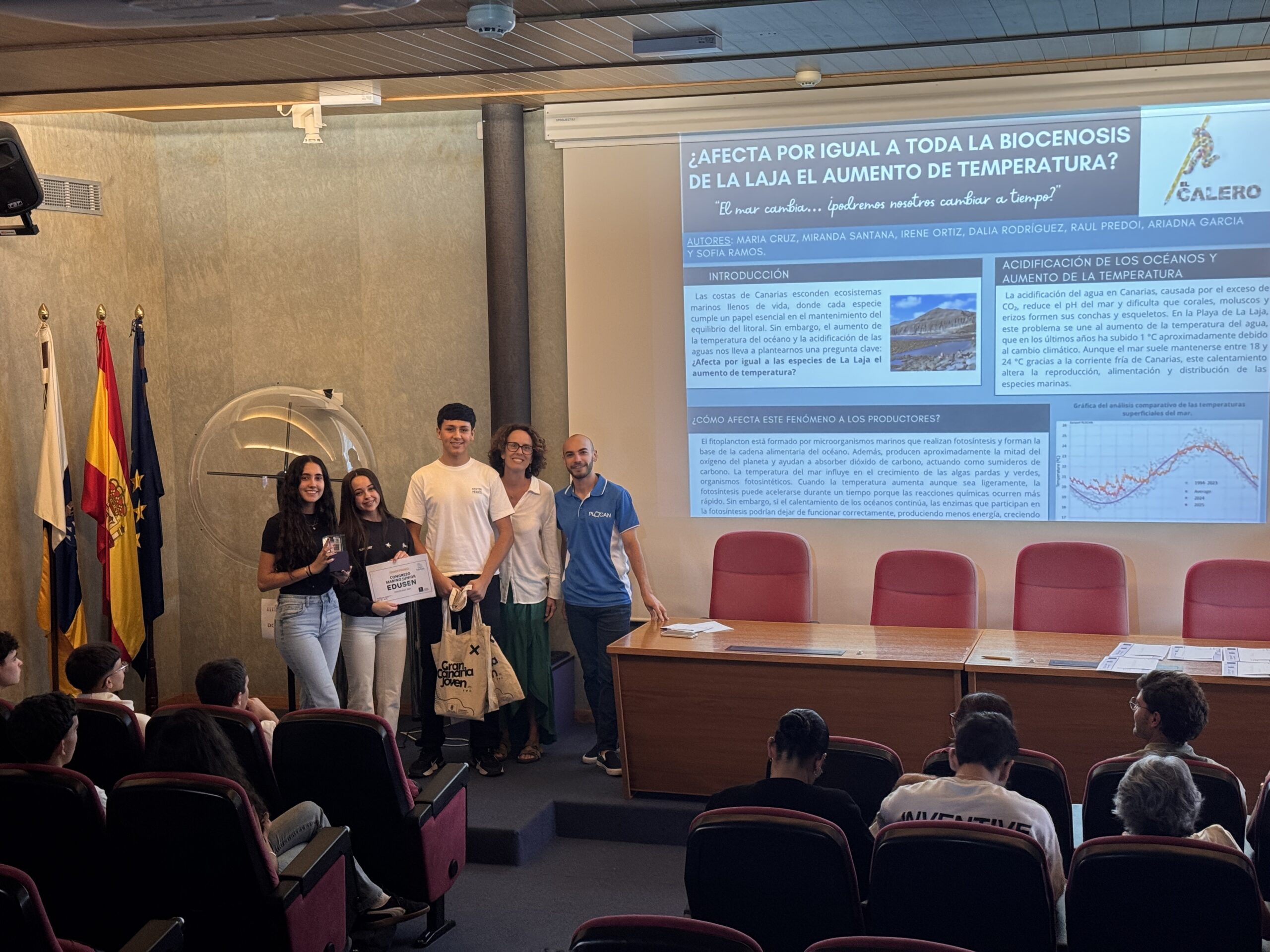
The 2nd EduSen Junior Marine Conference Promoted Scientific Outreach Among Young Students
On Thursday, May 28, 2026, the 2nd Junior Marine Conference of the project “EduSen: Marine Sensors – From the Classroom to the Conference” was held. The initiative, developed by PLOCAN, aims to promote ocean literacy and bring marine research closer to secondary school students in Gran Canaria. The event brought together students and teachers from
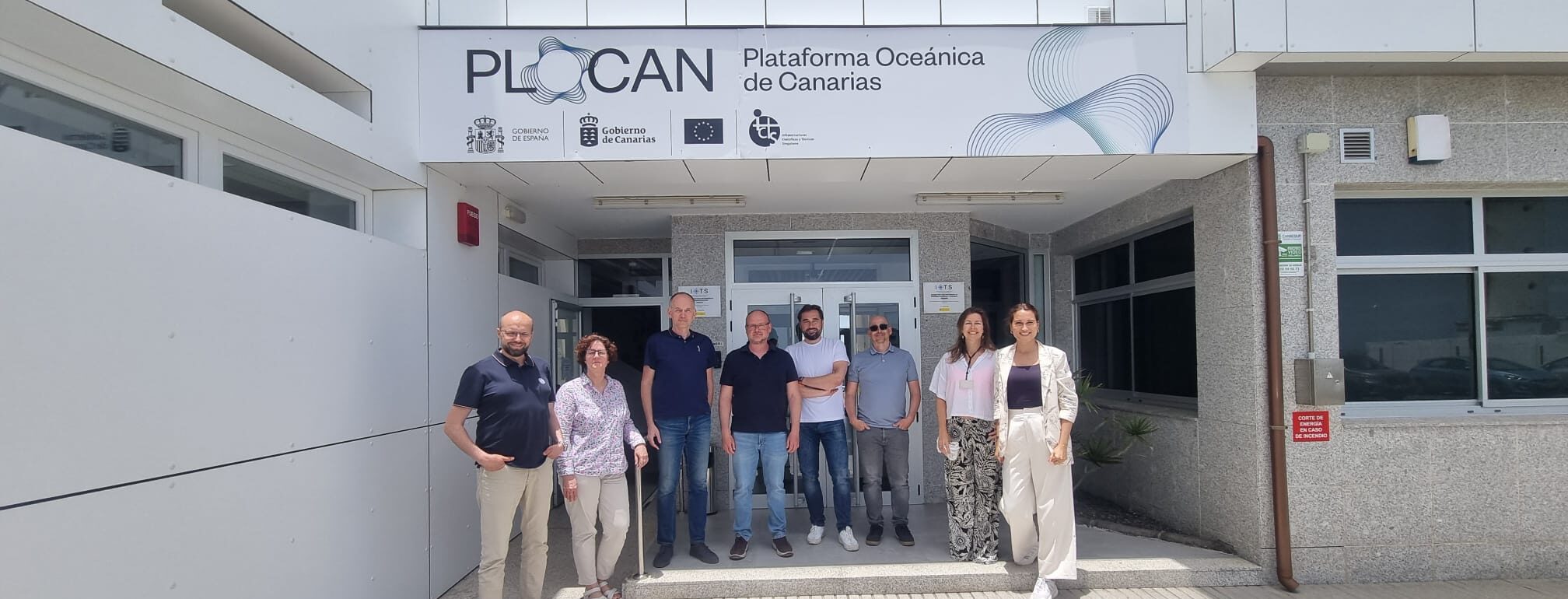
PLOCAN hosts a new follow-up meeting of the WECHULL+ project
Members of the international consortium of the WECHULL+ project, focused on the development of innovative solutions for floating structures for the marine renewable energy sector, holded a working meeting at the facilities of the Oceanic Platform of the Canary Islands (PLOCAN). The meeting brings together the eight project partners, representing Sweden, Poland, the Netherlands, Ireland
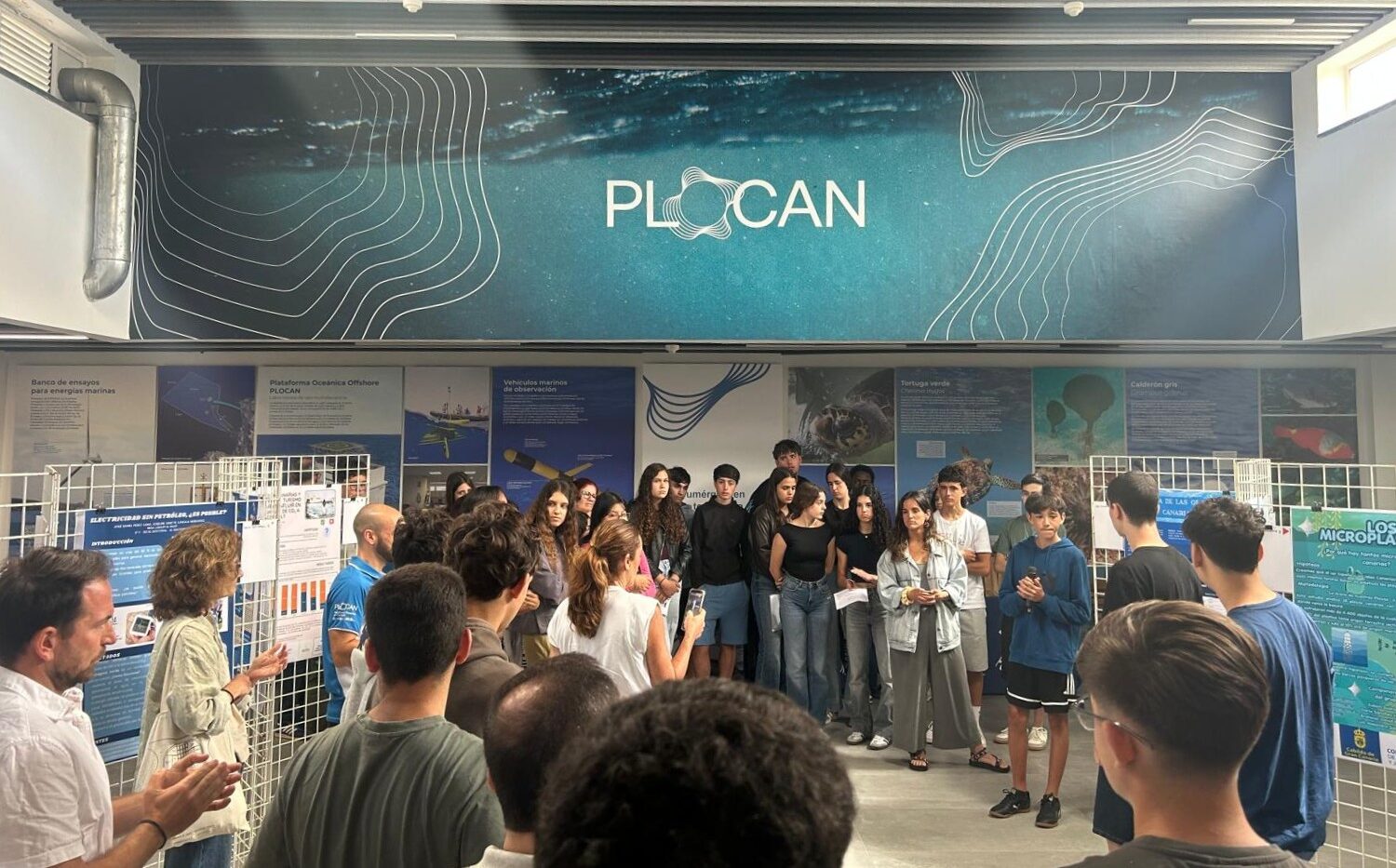
PLOCAN Hosts the 2nd Junior Marine Congress of the EduBlue Project
The headquarters of PLOCAN hosted the 2nd Junior Marine Congress of the EduBlue: Blue Emissions and Sounds project, an educational initiative designed to introduce secondary school students to marine science, sustainability, and ocean renewable energies through hands-on experiences and STEM-based activities. The event brought together students participating in the project, who presented the scientific posters
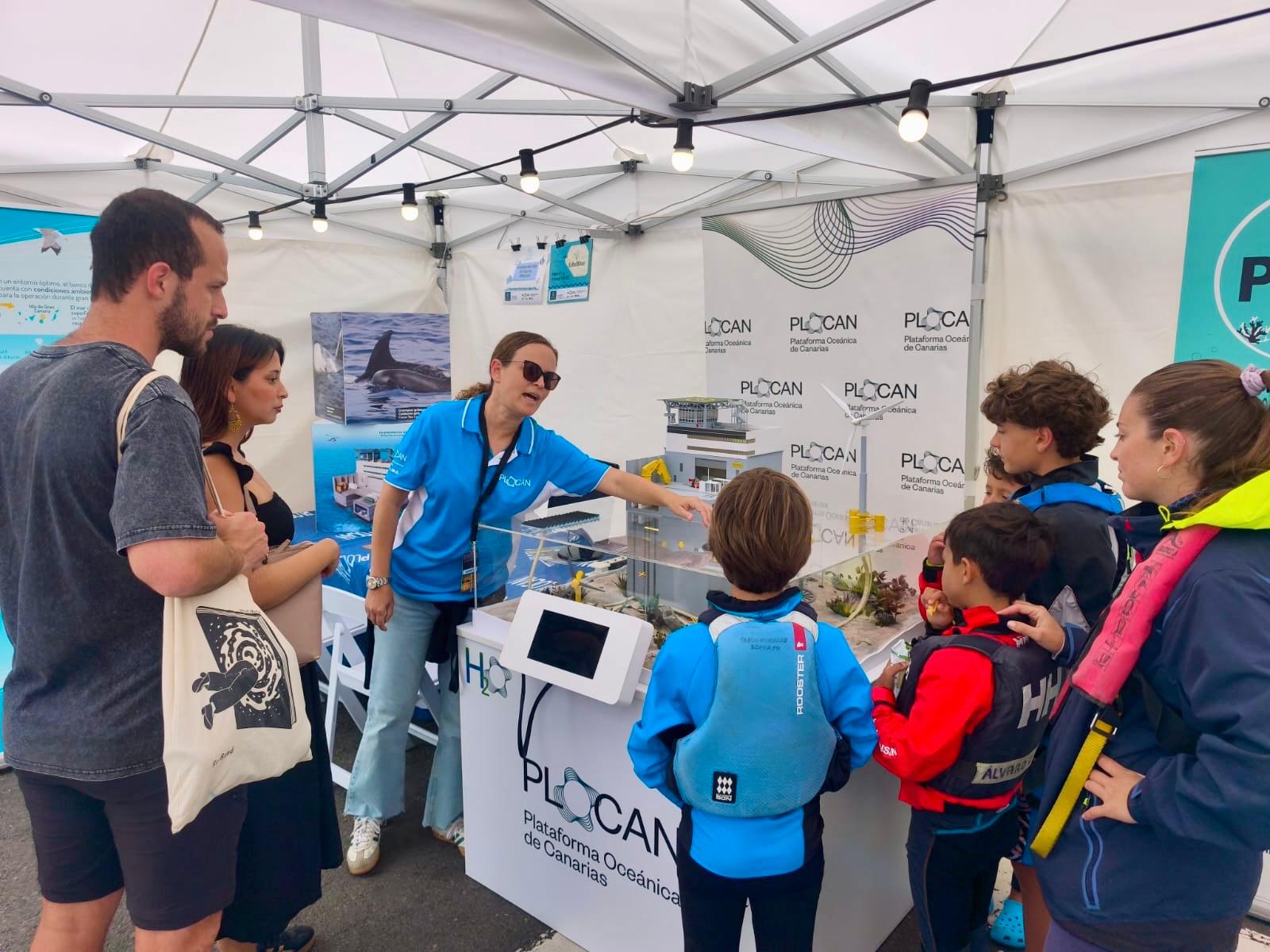
PLOCAN brings ocean science and innovation closer to the public at FIMAR 2026
The Oceanic Platform of the Canary Islands (PLOCAN) took part in FIMAR 2026, the International Sea Fair, held from 22 to 24 May at Muelle Sanapú in Las Palmas de Gran Canaria. PLOCAN hosted an outreach stand designed to bring its work in marine research, innovation and ocean technology closer to the public, schools, institutional

The Canary Islands demonstrate the viability of combining floating offshore wind and offshore aquaculture: AQUAWIND celebrates its final event in Las Palmas de Gran Canaria
The European project AQUAWIND, coordinated from the Canary Islands and co-funded at 80% by the European Union through the European Maritime, Fisheries and Aquaculture Fund (EMFAF), celebrated its final event at the Museo Elder de la Ciencia y la Tecnología, marking the conclusion of 45 months of work dedicated to demonstrating the feasibility of integrating

PLOCAN takes part in the Parliament’s institutional event to promote the Canary Islands Science Day
The Director of the Oceanic Platform of the Canary Islands (PLOCAN) attended the institutional event held at the Parliament of the Canary Islands in tribute to the scientist Blas Cabrera, whose career has inspired the creation of the Canary Islands Science Day. The Parliament of the Canary Islands has promoted this new annual event, which

PLOCAN promotes intergenerational participation and applied innovation at the 2026 All-Atlantic Forum in Salvador de Bahía
The Oceanic Platform of the Canary Islands (PLOCAN) participated in the 2026 All-Atlantic Forum, held in Salvador de Bahía (Brazil), actively contributing to the spaces for Atlantic cooperation, applied innovation, and intergenerational dialogue promoted by the All-Atlantic Ocean Research and Innovation Alliance (AAORIA), with the support of the European project BlueActionAA.

PLOCAN acoge la validación en el mar de nuevas tecnologías de comunicación submarina del proyecto europeo GEORGE
PLOCAN served as the venue for the integration and validation of a new generation of oceanographic sensors developed by the partners of the European GEORGE project, using two of its unique facilities—the VIMAS fleet of autonomous vehicles and the test site—and in collaboration with leading companies in the sector. The activity is framed in the

PLOCAN at the Undersea Defense Technology 2026
The Oceanic Platform of the Canary Islands (PLOCAN) joins this week the Undersea Defense Technology (UDT) 2026, leading international forum on underwater surveillance and intervention technologies in strategic sectors of the Blue Economy such as navigation, communications, energy, defense, security, among others. The event is held in London (UK), as European leading hub for the