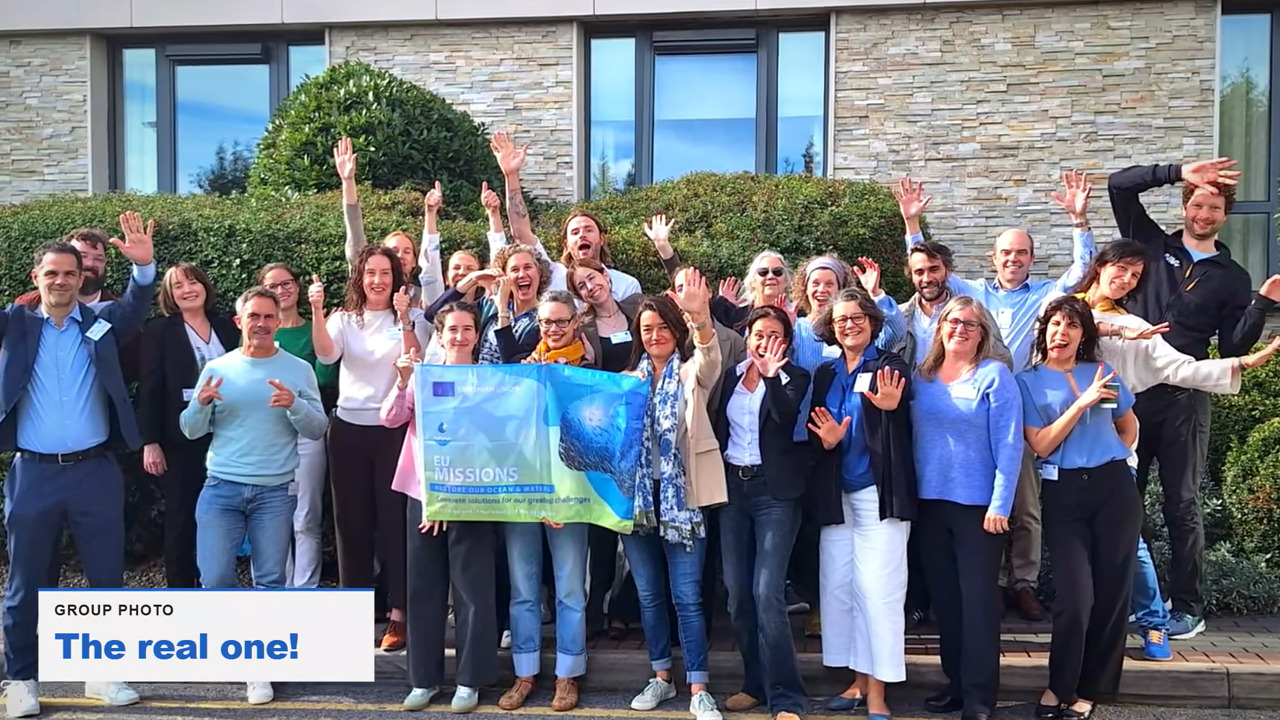
The 2025 General Assembly of the European project Mission Atlantic brought together scientific and technological partners in Copenhagen to present results and coordinate the closure of the project after four years of work dedicated to identifying and assessing present and future risks—arising from climate change, natural hazards and human activities—affecting Atlantic Ocean ecosystems.
The annual meeting, held at the headquarters of the coordinating partner, the Technical University of Denmark (DTU), provided an opportunity for partners from the continents bordering the Atlantic Ocean to come together over three days of intensive exchange on the research carried out within the project. This included workshops to align and promote the results achieved over four years of work, thereby bringing the project to a close.
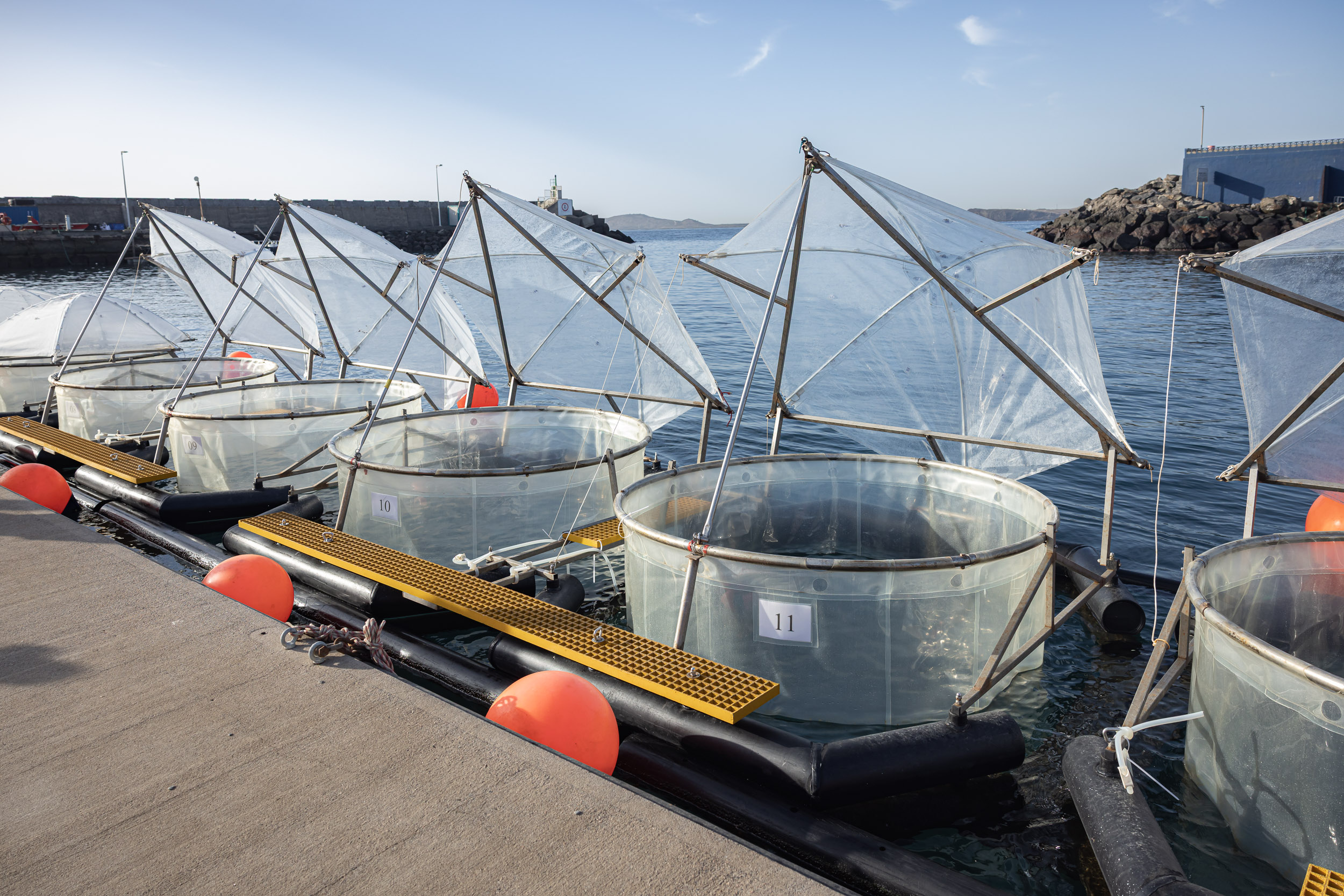
PLOCAN has contributed to the Mission Atlantic project as a partner from a primarily technological and operational perspective, through its fleet of autonomous marine vehicles. The aim has been to efficiently and sustainably enhance in-situ observation capacities for essential and relevant oceanographic variables required to systematically develop and apply Integrated Ecosystem Assessments (IEAs) at the Atlantic Basin scale. These assessments are central to the project’s objectives of improving understanding of Atlantic Ocean ecosystems and of the drivers of change affecting marine biodiversity and ocean resources.
The work programme focused on three key aspects of the project. The first was knowledge exchange: scientists and experts delivered keynote lectures, sharing their research and innovative findings, and providing a platform to disseminate results and inspire new actions in future projects and programmes.
The other two aspects addressed were networking and collaboration—supported by structured networking events, social gatherings and informal discussions that stimulated and strengthened connections and collaboration among scientists—and workshops and hands-on sessions, which offered participants opportunities to explore specific scientific topics in greater depth, acquire new skills and examine practical applications.
For more detailed information, visit project’s website.
For further information on PLOCAN’s activities within the project, see the related news items: News item 1 and News item 2.
The Mission Atlantic project has been funded from the European Union’s Horizon 2020 Research and Innovation program under the Grant Agreement No. 862428.