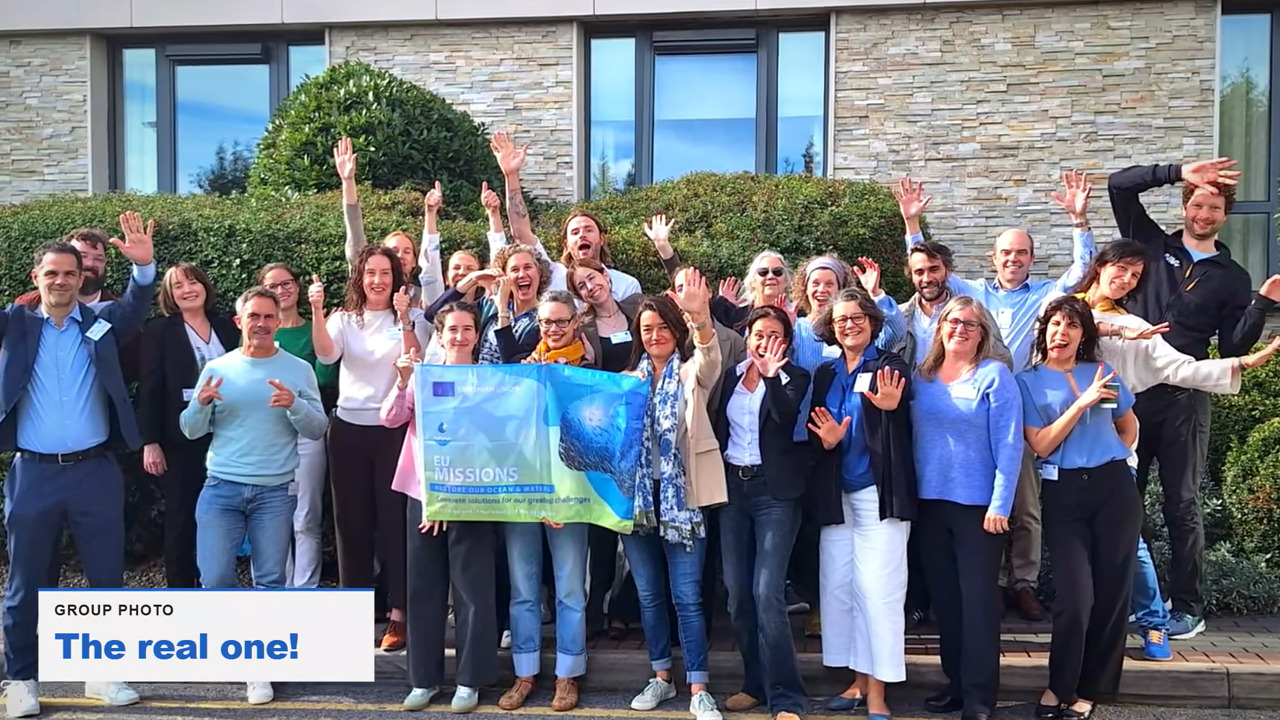
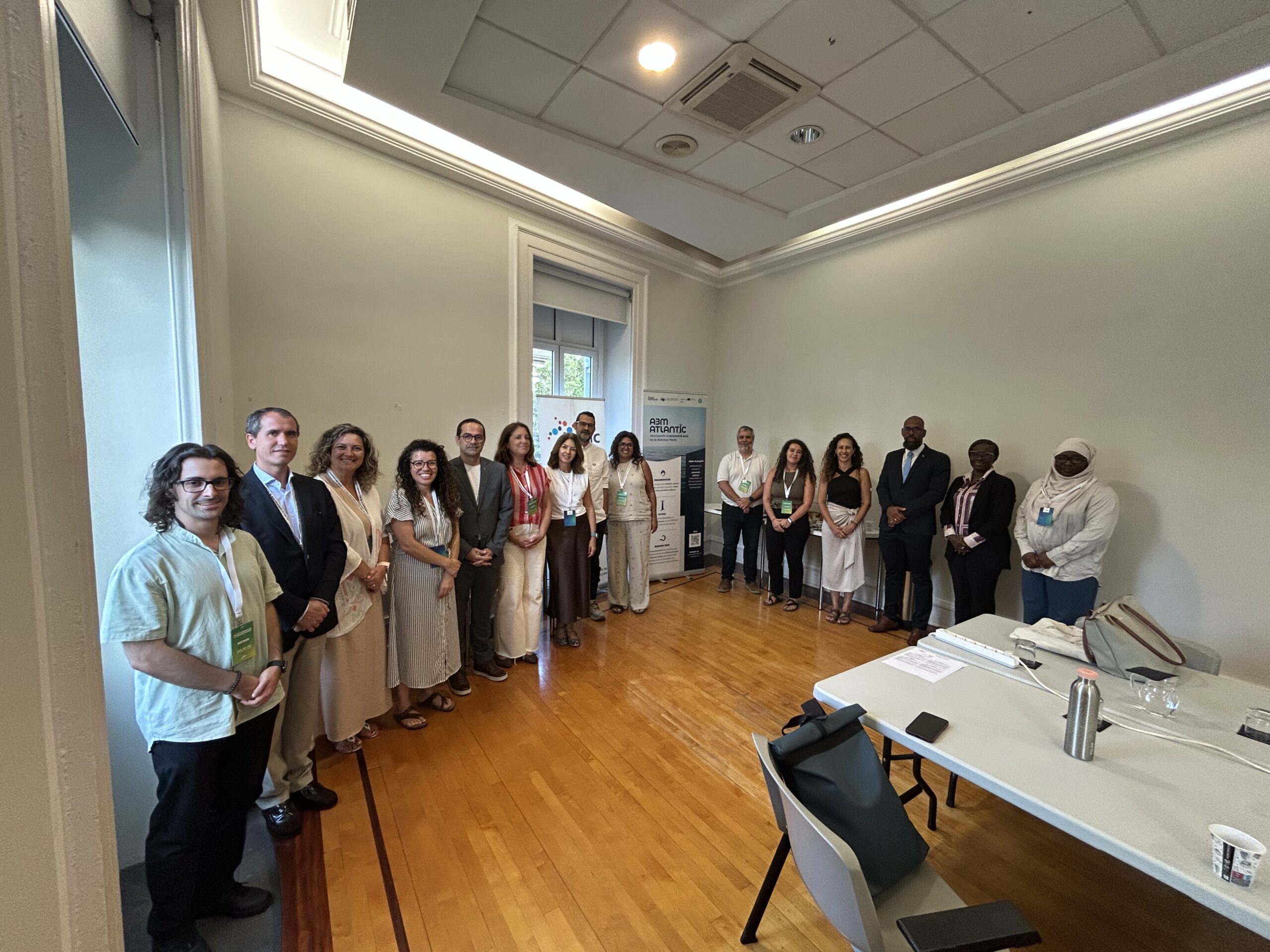
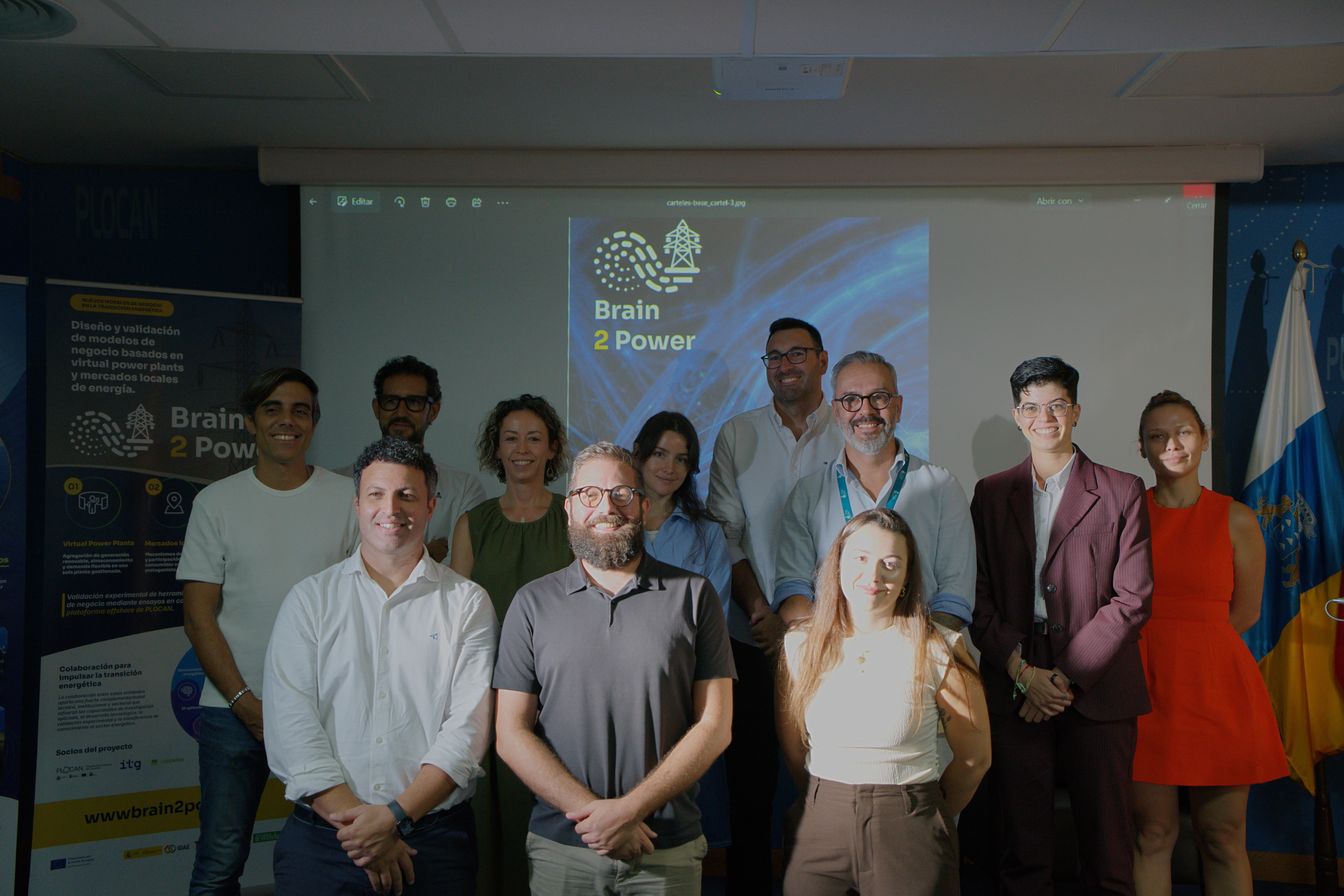
The onshore headquarters of the Oceanic Platform of the Canary Islands (PLOCAN) in Taliarte today hosted the start of the two sessions of the Kick-off Meeting (KoM) of the European project ATLAS (Atlantic Tracking with Lightwave Acoustic Sensing), which brings together partners from Spain, Ireland, Portugal, France and Norway to define the roadmap of this environmental monitoring initiative for the Atlantic using existing submarine telecommunications cables.
During the day, the consortium addressed the technical and scientific planning of ATLAS, which aims to use the fibre optics deployed on the seabed as a network of acoustic sensors to detect large cetaceans, map underwater noise and improve early warning of earthquakes and other geological risks, thus contributing to the protection of biodiversity and maritime safety in the Atlantic.
PLOCAN technologist and technical coordinator of the project, Eric Delory, pointed out that the main distinctive feature of ATLAS is the use of existing infrastructure: “What is original in terms of technology is the use of existing submarine telecommunication fibre-optic cables; we are not going to add new cables in the sea. We interrogate the cables from shore using optical interrogators, and the signal we receive is related to phenomena such as seismic activity, underwater noise or the presence of cetaceans.”
Delory also stressed that the Distributed Acoustic Sensing (DAS) technology used in this project will make it possible, using these cables, to offer services to authorities, organisations and observation networks interested in information on the state of the ocean.
During the KoM, PLOCAN presented the role of the Canary Islands as a pilot site for validating the project. The Archipelago combines key factors such as intense maritime traffic, the presence of large cetaceans and volcanic and seismic risk, which makes it an ideal environment to test this technology and expand early warning and coastal protection capabilities.
In this context, ATLAS will count on the collaboration of the company Canarias Submarine Link (CANALINK), which will facilitate access to regional cables and fibres between Gran Canaria and Tenerife, with the aim that the system can remain operational and strengthen regional monitoring capacity.
“In the Canary Islands we face very specific challenges, such as the risk of collisions between cetaceans and vessels or the need to improve seismic monitoring. With ATLAS we will be able to complement existing technologies and move towards more continuous and cost-effective observation over time,” Delory explained.
PLOCAN is responsible for coordinating and leading the ATLAS consortium, which brings together fixed and mobile observation infrastructures, e-infrastructures and extensive operational experience in the open ocean.
Its partners include CANALINK (Spain), University College Cork – MaREI (Ireland), the Instituto de Engenharia de Sistemas e Informática, Tecnologia e Ciência – INESCTEC (Portugal), the companies GREENOV-ITES and MOOD Conseil (France), as well as entities such as CEREMA and SHOM (France) and associated partners such as the Norwegian University of Science and Technology (NTNU) and the coordination office of the European ocean observation consortium EMSO ERIC (CMO).
The project, which falls under the Interreg Atlantic Area programme, will run until early 2028 and has a budget of 3.4 million euros, 75% co-financed by the European Regional Development Fund (ERDF). Its scientific and technical goals include the installation and validation of DAS systems in the Canary Islands, Portugal and Ireland, the development of data processing chains assisted by artificial intelligence and the creation of near-real-time operational services for environmental monitoring.
During the sessions being held today and tomorrow in Taliarte, the partners will make progress in designing the experiments, integrating data from different sources (DAS, hydrophones, autonomous gliders and AIS vessel traffic) and connecting with European platforms such as EMODnet and the Copernicus Marine Service, with the aim that ATLAS outcomes provide tangible benefits for coastal communities, maritime authorities, environmental NGOs and the Atlantic scientific community.