Members of the Korea Institute of Ocean Science and Technology (KIOST), accompanied by representatives from KRISO (Korea Research Institute of Ships & Ocean Engineering) and the company Aquadron, worked with PLOCAN’s management team to advance a cooperation roadmap aimed at sharing capabilities in different areas of ocean scientific and technological experimentation.
“That country and, more specifically, this type of research centre are making progress, and their governments are investing in it. We are moving in the same direction. That is why we can create joint spaces for collaboration,” explained José Joaquín Hernández Brito.
“Just as Korea is a country that has always been oriented towards the sea, the Canary Islands and, more broadly, Spain are as well, and we can create these collaborative spaces that we are trying to formalise through various agreements and projects that are pending signature,” he added.
During the meeting, both parties discussed concrete opportunities for institutional and public-private collaboration, while also exploring the establishment of a Korea–Europe cooperation network in this field.

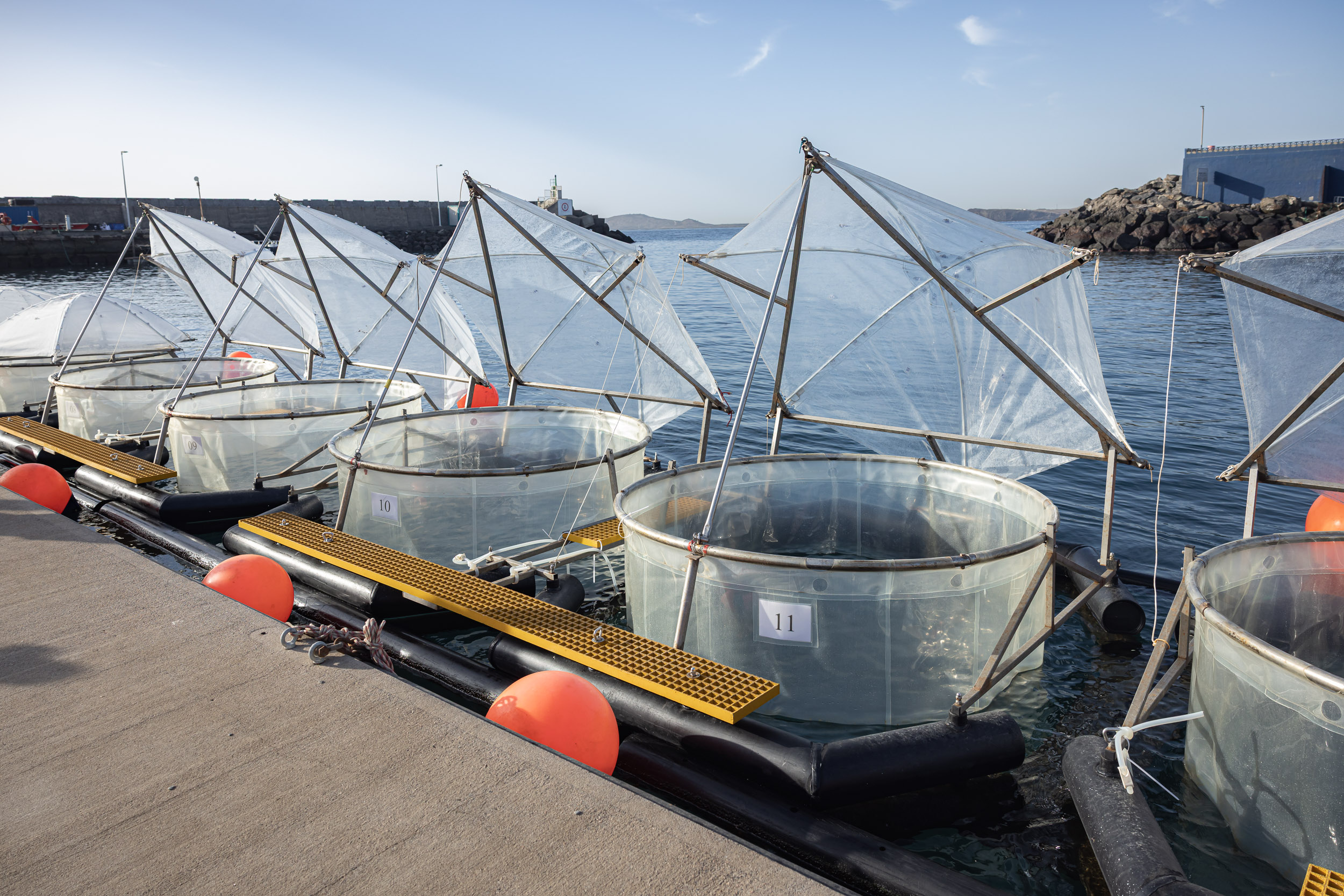
Specifically, six lines of joint work were agreed, highlighting areas such as the exploration of ocean digital twins, initiatives to promote the use of marine robotics, facilitating access to each party’s test beds, and joint participation in European projects.
These initiatives also included exchanges in staff training, building on already established programmes such as PLOCAN’s Glider School, as well as the establishment of a memorandum to set out all these aspects and the expected goals of the collaboration.
As a result of this meeting, both parties also expect to move forward with an invitation for PLOCAN to visit the Korean test site and to work in support of KIOST joining EMSO ERIC as an observer, in which PLOCAN participates, thereby strengthening ties with the European long-term observation ecosystem.