The onshore facilities of the Oceanic Platform of the Canary Islands (PLOCAN) hosted a series of educational open days on 15 and 16 April framed within the EduBlue project: Blue Emissions and Sounds. This initiative, centred on ocean literacy, aims to bring marine science and technology into the classroom through hands-on, participatory, and collaborative learning experiences.
Funded by the Department of Education and Youth of the Cabildo of Gran Canaria, the project brought together 15 groups from various educational institutions, involving a total of 45 students and 15 teachers. Over the course of the programme, participants were given the opportunity to directly explore some of the key challenges and opportunities associated with the marine environment.
Throughout the activities, students engaged with several core areas related to ocean knowledge, sustainability, and conservation, fostering experiential learning, critical thinking, and environmental awareness.

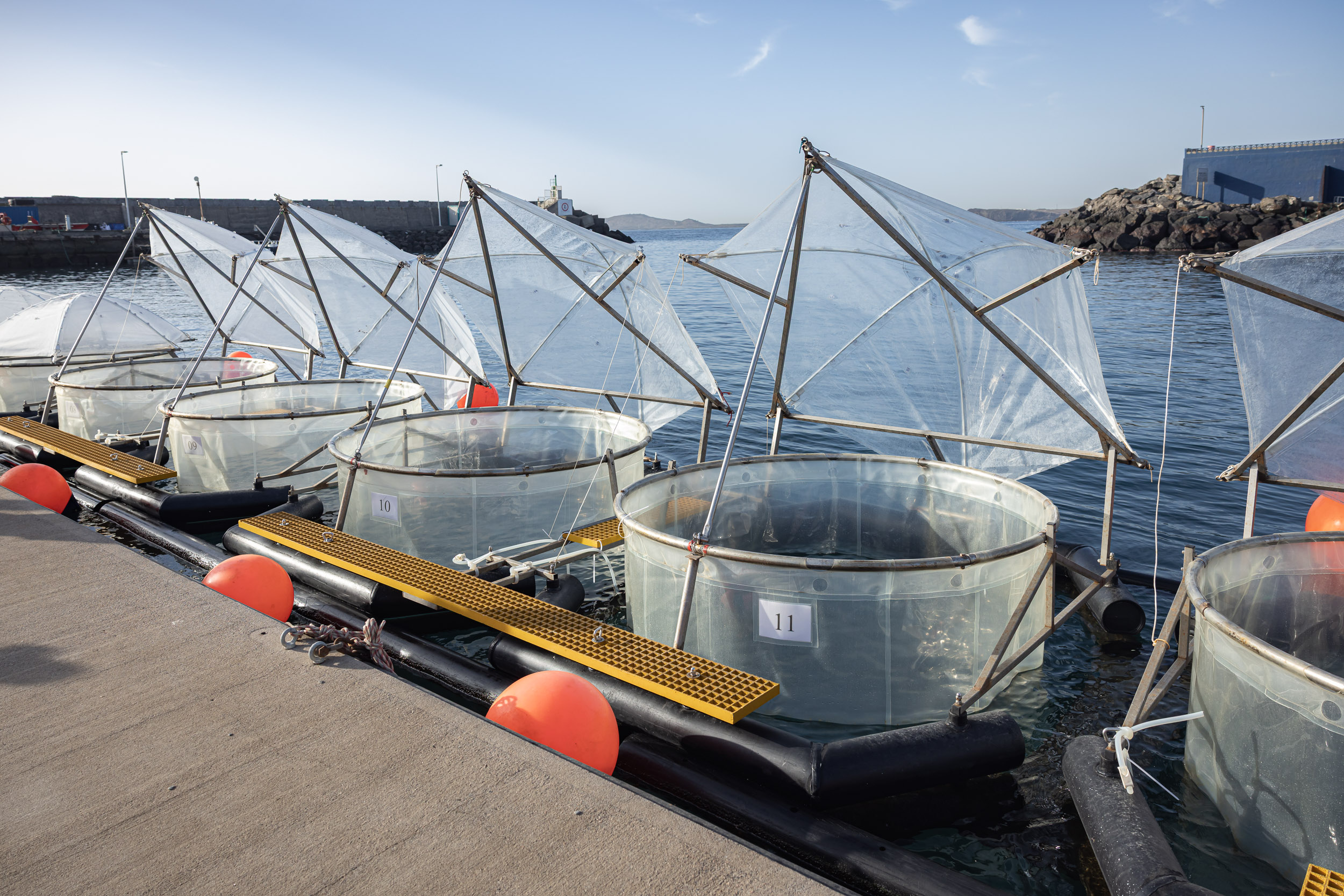
Among the proposal highlights was the testing of marine renewable energy prototypes, compatible with green hydrogen, in dedicated educational pools. Within this setting, students were able to observe the operation of floating devices and gain insight into the potential of ocean-based energy as a sustainable alternative within the current energy landscape.
Another activity focused on analysing CO₂ pollution. Using a generator set alongside specialised sensors, participants conducted real-time emissions measurements, which were subsequently analysed and extrapolated to everyday contexts. This hands-on experience encouraged reflection on the environmental impact of fossil fuel consumption and underscored the need to transition towards cleaner energy solutions.

The programme also featured a workshop on underwater sound, where students discovered the importance of acoustics in ocean research. Through the use of hydrophones, they learned how marine sounds are captured and analysed, an essential tool for environmental monitoring and biodiversity protection.
Taken together, these activities provided a comprehensive educational experience that not only introduced students to cutting-edge technologies but also deepened their understanding of the relationship between human activity and the marine environment. From assessing the impact of different energy models to observing species behaviour through sound, participants developed a more nuanced and critical perspective on ocean systems.
Through initiatives such as EduBlue, PLOCAN reinforces its commitment to environmental education and ocean literacy, helping to foster a more informed, responsible, and sustainability-minded citizenry.
EDUBLUE PROJECT BUDGET: 26.699,95 EUROS