FEATURED NEWS

PLOCAN announces the 15th Glider School edition
The Oceanic Platform of the Canary Islands (PLOCAN) convenes the 15th edition of the Glider School, an international reference training forum in ocean-glider technology, to be held from October 20th to 24th in Telde, Gran Canaria. The period application submission is already open until June 30th. More information through the event website http://www.gliderschool.eu. The didactic
NEWS

Deputy Regional Minister for the Economy: the blue economy diversifies the economy and is a driver of sustainable development
[vc_row type=”in_container” full_screen_row_position=”middle” column_margin=”default” scene_position=”center” text_color=”dark” text_align=”left” overlay_strength=”0.3″ shape_divider_position=”bottom” bg_image_animation=”none”][vc_column column_padding=”no-extra-padding” column_padding_position=”all” background_color_opacity=”1″ background_hover_color_opacity=”1″ column_link_target=”_self” column_shadow=”none” column_border_radius=”none” width=”1/1″ tablet_width_inherit=”default” tablet_text_alignment=”default” phone_text_alignment=”default” overlay_strength=”0.3″ column_border_width=”none” column_border_style=”solid” bg_image_animation=”none”][vc_column_text]The Deputy Regional Minister for the Economy and Internationalisation of the Canary Islands Government, Almudena Estévez, has highlighted the importance of the blue economy for diversifying the economy of the Canary

Elena Máñez: The Canary Islands must be at the forefront of Europe’s blue economy
[vc_row type=”in_container” full_screen_row_position=”middle” column_margin=”default” scene_position=”center” text_color=”dark” text_align=”left” overlay_strength=”0.3″ shape_divider_position=”bottom” bg_image_animation=”none”][vc_column column_padding=”no-extra-padding” column_padding_position=”all” background_color_opacity=”1″ background_hover_color_opacity=”1″ column_link_target=”_self” column_shadow=”none” column_border_radius=”none” width=”1/1″ tablet_width_inherit=”default” tablet_text_alignment=”default” phone_text_alignment=”default” overlay_strength=”0.3″ column_border_width=”none” column_border_style=”solid” bg_image_animation=”none”][vc_column_text]The Regional Minister for Economy, Knowledge and Employment of the Canary Islands Government, Elena Máñez, stressed that the Canary Islands must be at the forefront of Europe’s blue economy and that

The Sea and the Blue Economy Workshop to focus on the potential of the Blue Economy in the Canary Islands to meet the goals of the 2030 Agenda for Sustainable Development of the United Nations.
[vc_row type=”in_container” full_screen_row_position=”middle” column_margin=”default” scene_position=”center” text_color=”dark” text_align=”left” overlay_strength=”0.3″ shape_divider_position=”bottom” bg_image_animation=”none”][vc_column column_padding=”no-extra-padding” column_padding_position=”all” background_color_opacity=”1″ background_hover_color_opacity=”1″ column_link_target=”_self” column_shadow=”none” column_border_radius=”none” width=”1/1″ tablet_width_inherit=”default” tablet_text_alignment=”default” phone_text_alignment=”default” overlay_strength=”0.3″ column_border_width=”none” column_border_style=”solid” bg_image_animation=”none”][vc_column_text] The Regional Minister of Economy, Knowledge and Employment of the Canary Islands Government, Elena Máñez, inaugurated the Blue Economy Workshop on 2 June. The event is organised by public enterprise

Presentation of the MAWADIPOL Project on the prevention of marine pollution and marine salvage operations
[vc_row type=”in_container” full_screen_row_position=”middle” column_margin=”default” scene_position=”center” text_color=”dark” text_align=”left” overlay_strength=”0.3″ shape_divider_position=”bottom” bg_image_animation=”none”][vc_column column_padding=”no-extra-padding” column_padding_position=”all” background_color_opacity=”1″ background_hover_color_opacity=”1″ column_link_target=”_self” column_shadow=”none” column_border_radius=”none” width=”1/1″ tablet_width_inherit=”default” tablet_text_alignment=”default” phone_text_alignment=”default” overlay_strength=”0.3″ column_border_width=”none” column_border_style=”solid” bg_image_animation=”none”][vc_column_text] The partners of the project “Prevention and management of specific pollution risks and salvage operations in the area of cooperation and the macro-regional coastal area Madeira Azores Canarias” (MAWADIPOL) have

OPEN CALL FOR EMPLOYMENT, FOR THE SCIENTIFIC-TECHNICAL AREA / PROJECT: EDUROVs
[vc_row type=”in_container” full_screen_row_position=”middle” column_margin=”default” scene_position=”center” text_color=”dark” text_align=”left” overlay_strength=”0.3″ shape_divider_position=”bottom” bg_image_animation=”none”][vc_column column_padding=”no-extra-padding” column_padding_position=”all” background_color_opacity=”1″ background_hover_color_opacity=”1″ column_link_target=”_self” column_shadow=”none” column_border_radius=”none” width=”1/1″ tablet_width_inherit=”default” tablet_text_alignment=”default” phone_text_alignment=”default” overlay_strength=”0.3″ column_border_width=”none” column_border_style=”solid” bg_image_animation=”none”][vc_column_text] OPEN CALL FOR EMPLOYMENT, FOR THE SCIENTIFIC-TECHNICAL AREA / PROJECT: EDUROVs ENLACE TITLES COMPULSORY: Level MECES 2 (or higher) – Computer Science Engineering, Telecommunications Engineering or Electronic Engineering. Teaching certification

Published the first microplastic sampling results in ESTOC and PLOCAN´s test site
Broad scale sampling methods for microplastic monitoring in the open ocean waters remain a challenge in oceanography, as a large number of samples is required to understand the distribution, abundance and fate of these particles in the environment. The Canary Oceanic Platform (PLOCAN) collaborates with the ULPGC in developing new methods for detecting microplastics in
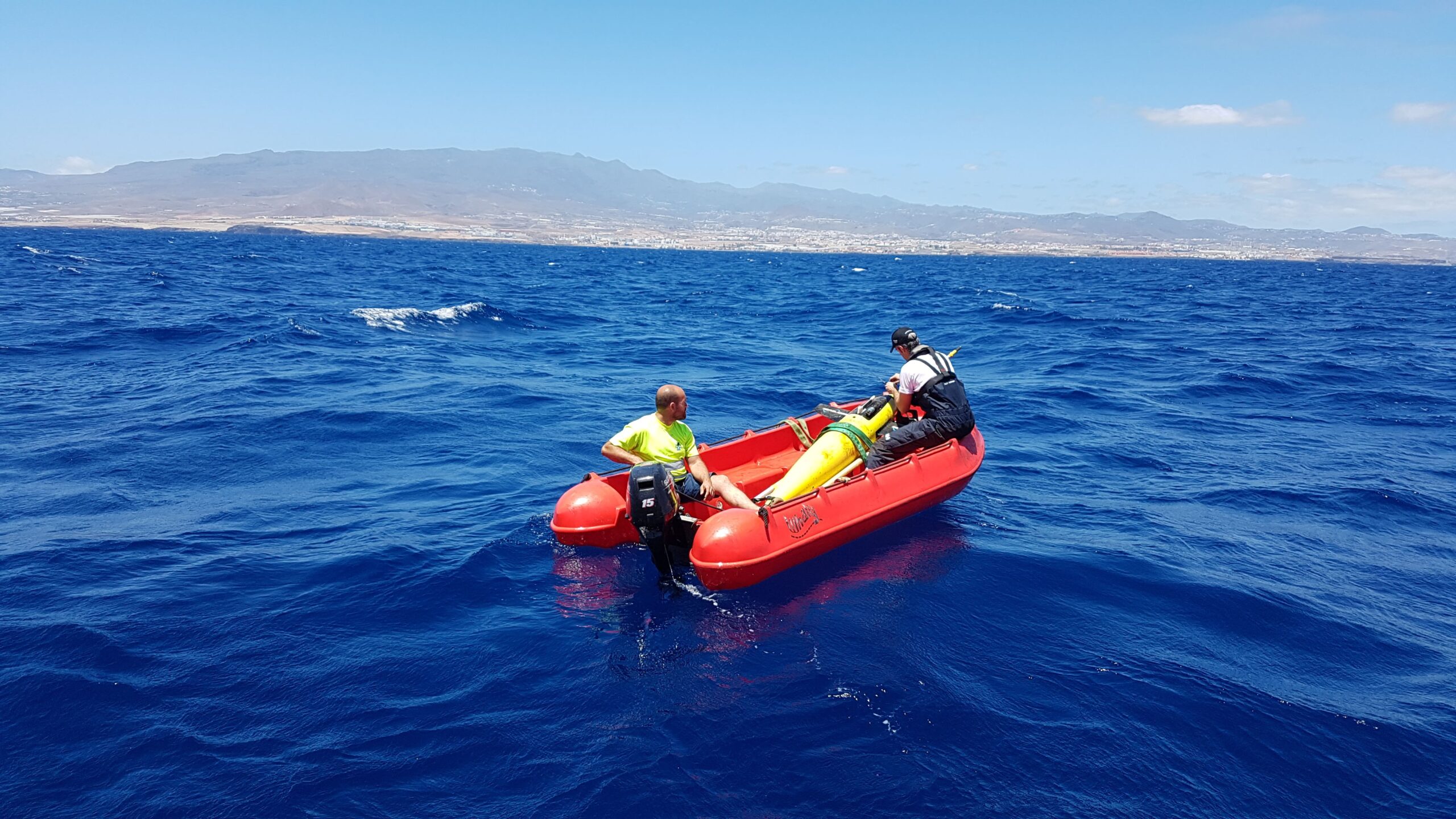
PLOCAN glider concludes Macaronesia ocean mission within the framework of the European iFADO project
[vc_row type=”in_container” full_screen_row_position=”middle” column_margin=”default” scene_position=”center” text_color=”dark” text_align=”left” overlay_strength=”0.3″ shape_divider_position=”bottom” bg_image_animation=”none”][vc_column column_padding=”no-extra-padding” column_padding_position=”all” background_color_opacity=”1″ background_hover_color_opacity=”1″ column_link_target=”_self” column_shadow=”none” column_border_radius=”none” width=”1/1″ tablet_width_inherit=”default” tablet_text_alignment=”default” phone_text_alignment=”default” overlay_strength=”0.3″ column_border_width=”none” column_border_style=”solid” bg_image_animation=”none”][vc_column_text] An autonomous underwater glider, part of the PLOCAN fleet, was retrieved today in the waters off the island of Gran Canaria after travelling almost 1800 km in three months from
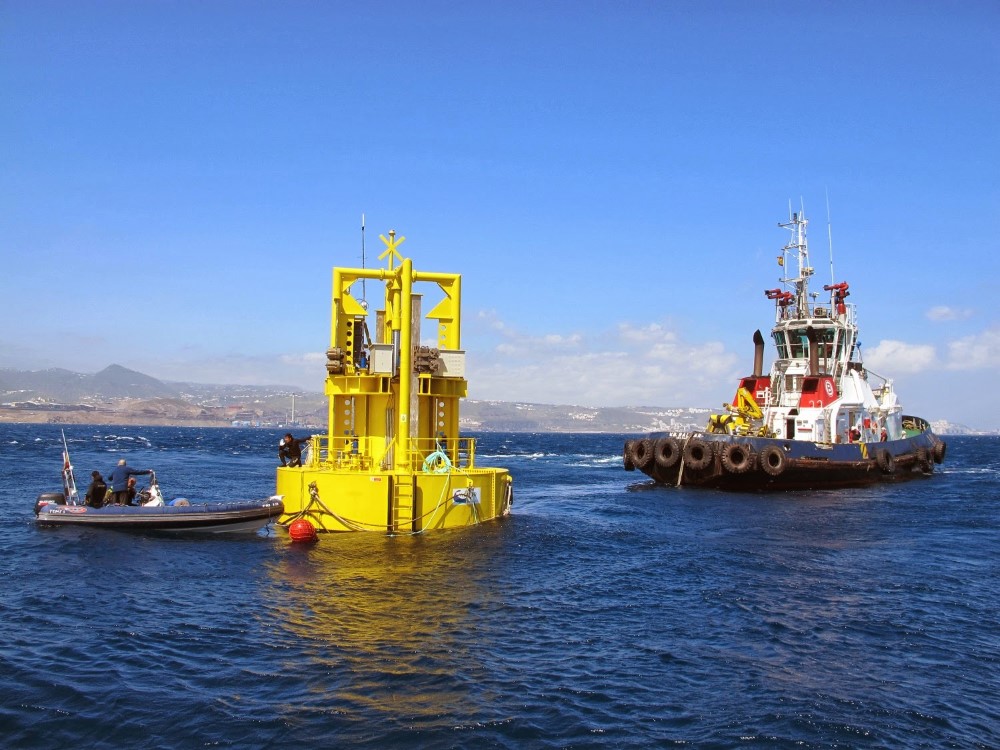
Release of the H2020 OceanSET project 1st annual report: an overview and analysis of progress in the ocean energy sector
Strong public funding support, high technology readiness level for tidal concepts and progress in full‐scale wave energy converter development This first OceanSET annual report provides an overview of progress in the ocean energy sector in 2018. Key findings from the annual data collection are presented below: 6 Member States out of 11 have an ocean
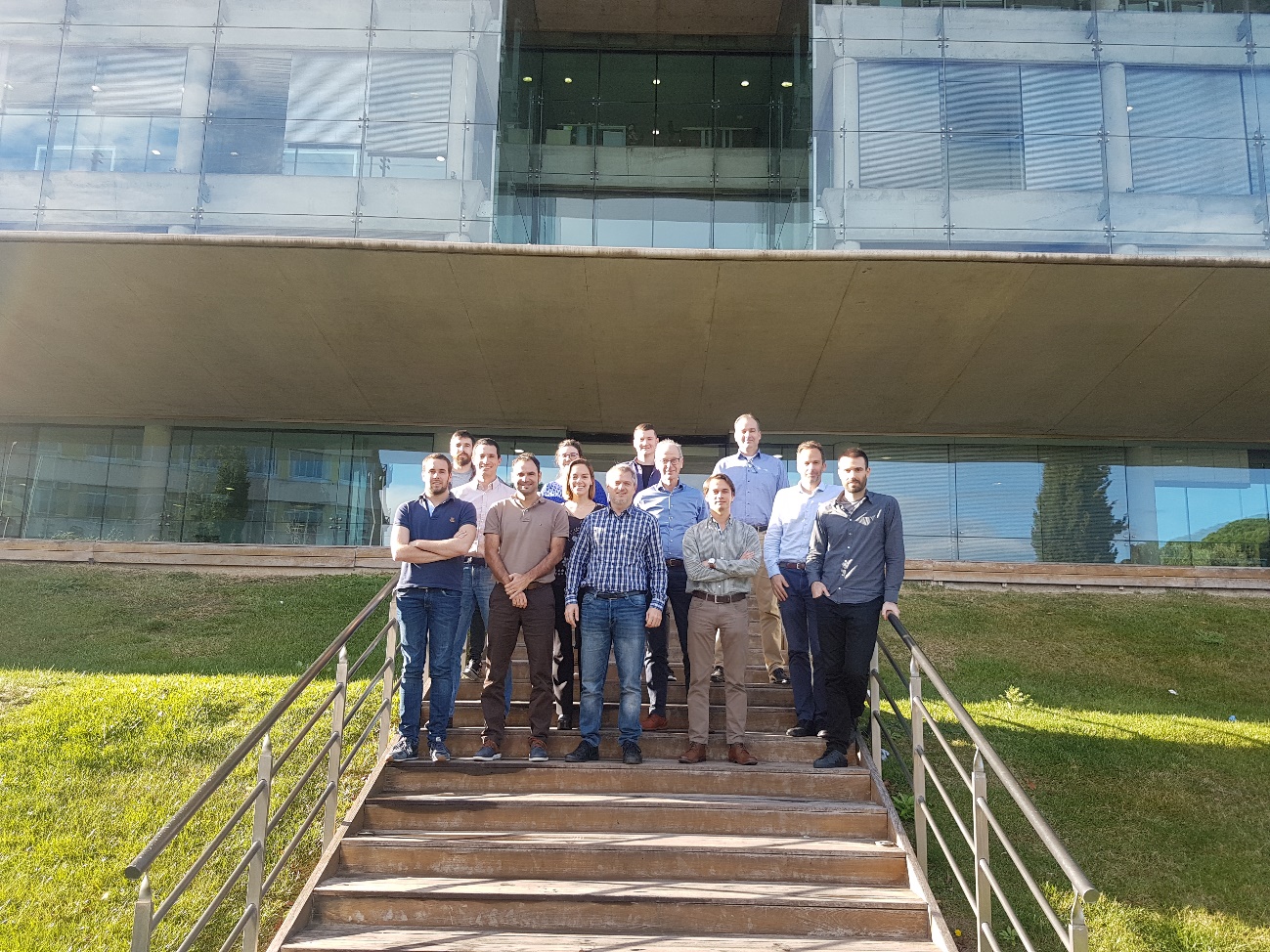
PivotBuoy Project Detailed Design Unveiled
[vc_row type=”in_container” full_screen_row_position=”middle” column_margin=”default” scene_position=”center” text_color=”dark” text_align=”left” overlay_strength=”0.3″ shape_divider_position=”bottom” bg_image_animation=”none”][vc_column column_padding=”no-extra-padding” column_padding_position=”all” background_color_opacity=”1″ background_hover_color_opacity=”1″ column_link_target=”_self” column_shadow=”none” column_border_radius=”none” width=”1/1″ tablet_width_inherit=”default” tablet_text_alignment=”default” phone_text_alignment=”default” overlay_strength=”0.3″ column_border_width=”none” column_border_style=”solid” bg_image_animation=”none”][vc_column_text]The PivotBuoy project Detailed Resign review (DDR) meeting was held at X1 Wind offices in Barcelona on the 4th and 5th of March 2020, and the design of the PivotBuoy system
PLOCAN continues operating remotely
[vc_row type=”in_container” full_screen_row_position=”middle” column_margin=”default” scene_position=”center” text_color=”dark” text_align=”left” overlay_strength=”0.3″ shape_divider_position=”bottom” bg_image_animation=”none”][vc_column column_padding=”no-extra-padding” column_padding_position=”all” background_color_opacity=”1″ background_hover_color_opacity=”1″ column_link_target=”_self” column_shadow=”none” column_border_radius=”none” width=”1/1″ tablet_width_inherit=”default” tablet_text_alignment=”default” phone_text_alignment=”default” overlay_strength=”0.3″ column_border_width=”none” column_border_style=”solid” bg_image_animation=”none”][vc_column_text]Since March 13th, PLOCAN adapted most of its activities, using telematic tools, in order to meet the preventive measures adopted by the State Government to fight against COVID-19. PLOCAN keeps up