The Canary Islands Oceanic Platform (PLOCAN) is collaborating with the Catalan technology center LEITAT to validate an optical sensor equipped with artificial intelligence (AI) capable of detecting microplastics in real time in the ocean.
Microplastics, particles smaller than five millimeters found in oceans worldwide, pose a growing challenge to biodiversity, coastal management, and human health. Fast, reliable, and continuous measurements are essential to support evidence-based environmental policies and to guide management decisions in near real time.
The device developed by LEITAT inspects continuous water flows using microscopic vision and, with the support of AI models, automatically distinguishes microplastics from natural particles such as sand or organic matter. In practical terms, it acts like an “intelligent magnifying glass” capable of classifying what it sees and generating immediate, actionable data for researchers, administrations, and operators.
The advancement is detailed in the study “Detecting Microplastics in Seawater with a Novel Optical Sensor based on Artificial Intelligence Models,” presented at the OCEANS 2025 conference on sustainable ocean practices in Brest, France.
The article reports that, following an initial deployment on a research buoy in Trondheim, Norway—where the device’s efficiency was below 50% and water-tightness issues were identified—a second deployment took place at PLOCAN’s laboratory in Gran Canaria, producing better results. Preliminary outcomes in this more controlled environment reached around 70% efficiency, with the goal of surpassing 80% through new AI model iterations and engineering improvements.
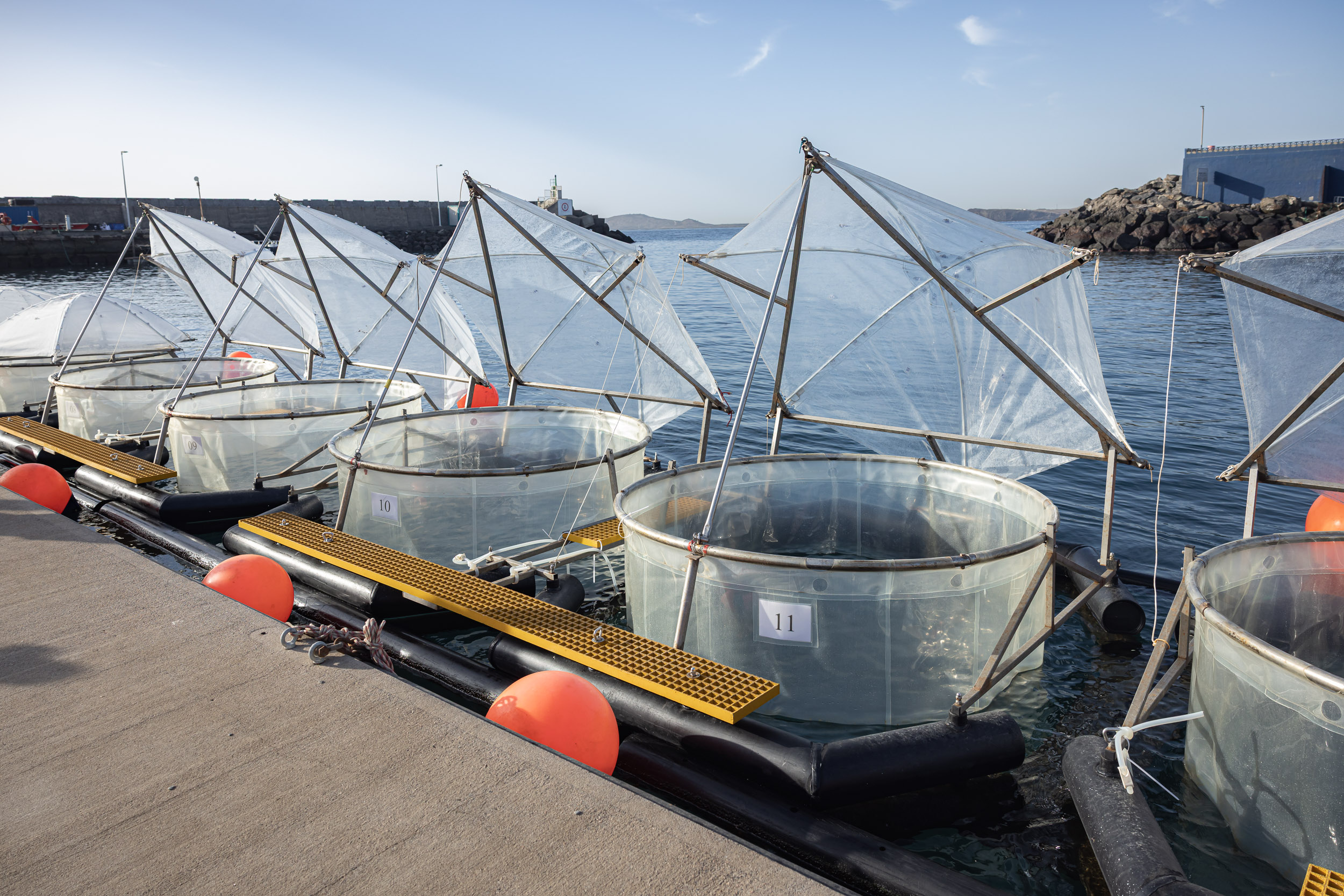
PLOCAN provides laboratory testing infrastructure and local technical support, accelerating prototype improvement, reducing risks, and preparing the device for operation under real ocean conditions. The roadmap includes IP67 encapsulation to ensure water-tightness in marine deployment and secure telemetry of results to a remote dashboard, as preliminary steps toward validation at PLOCAN’s offshore testing site.
“The trials with PLOCAN allow us to improve efficiency and prioritize the key enhancements for deploying prototypes at sea. Supporting solutions that transform ocean observation tools into useful data for decision-making is part of our mission,” said Eric Delory, head of the PLOCAN observatory.
The scientific work underpinning the sensor’s progress strengthens PLOCAN’s role as a reference infrastructure for validating marine technologies, from the laboratory stage to demonstration in relevant operational settings. The combination of technical capabilities, data access, and alignment with European digital ocean initiatives positions this collaboration as a milestone in the fight against microplastic pollution.
The data generated by the sensor—automatic classifications and efficiency metrics—are compatible with initiatives such as the European ILIAD project (Integrated Digital Framework for Comprehensive Maritime Data and Information Services), which seeks to build an interoperable, data-intensive, and cost-effective Digital Twin of the Ocean (DTO). The objective is to enable interactive analyses and promote a sustainable ocean economy.