IES Teror, with its students’ project on Pollution in the Canary Islands, and IES Las Huesas, with the poster Tidal Pools: Outdoor Laboratories, have been named the winners of the first editions of the Junior Marine Congresses of the EDUBLUE and EDUSEN projects, respectively. These events, held this week at the headquarters of the Oceanic Platform of the Canary Islands (PLOCAN), mark the culmination of the EDUBLUE and EDUSEN projects, launched for the first time during the 2024/2025 school year.
A total of thirteen educational centers and nearly forty students participated in the EDUBLUE project, while nine centers and around thirty students took part in the EDUSEN project, representing all the students who participated in these initiatives throughout the academic year.
The events, which took place over two days—last Monday and today, Thursday—provided an opportunity for students and teachers to share knowledge, results, and proposals on the conservation and sustainable use of the marine environment.
Students presented their educational scientific posters before a specialized jury and the other participants, showcasing the results of months of work applying the scientific method to investigate various issues affecting the Canary Islands’ marine environment. Topics ranged from environmental characterization of the coast to the impact of renewable energy on the ocean.
EDUBLUE and EDUSEN are two educational initiatives promoted by PLOCAN and funded by the Department of Education and Youth of the Cabildo of Gran Canaria, with the collaboration of the H2Verde and Atlantic Whale Deal projects.
Both projects foster experimentation, teamwork, and the development of scientific vocations in STEAM areas (science, technology, engineering, arts, and mathematics), while strengthening students’ connection to the Canary Islands’ marine environment.
“Our goal is to bring marine science and technology closer to young people, promote environmental awareness, and highlight the future opportunities offered by the blue sector in the Canary Islands,” explained PLOCAN technician Teresa Holgado. She added, “We are pleased because there have been very good results, excellent projects, and both students and teachers have told us they are very happy to have had the opportunity to participate in these projects and gain these experiences.”
Meanwhile, Olaia Morán, Councillor for Education and Youth of the Cabildo of Gran Canaria, stated, “The sea is part of our identity, our lives, and our future. At the Department of Education and Youth of the Cabildo of Gran Canaria, we work so that young people know it, value it, and care for it. EDUBLUE and EDUSEN are examples of how education can inspire vocations, environmental awareness, and commitment to our environment. That’s why we will continue to promote these kinds of projects to sow respect for the ocean and the responsibility to protect it from the classroom.”
EDUBLUE
A total of 15 schools and 337 students from 2nd and 3rd year Technology and Digitalization classes participated in the EDUBLUE project during the 2024/2025 school year. The project focused on designing and assembling models of floating wind or solar devices integrated with renewable hydrogen generation, allowing students to compare the environmental impact of clean energy versus traditional sources.
In addition to the winner, who also reached the final with another project called Impact Waves, the junior congress finalists were: Juan Ramón Jiménez Teaching Cooperative, which won second prize for its presentation Green Energy, Calm Sea; CEO Motor Grande, with the poster Acoustic Pollution in the Oceans of the Canary Islands, which took third prize; CEIP Norte, which presented Underwater Acoustic Pollution; and IES Guía, which defended its results on CO2 Emissions and Energy Generation.
EDUSEN
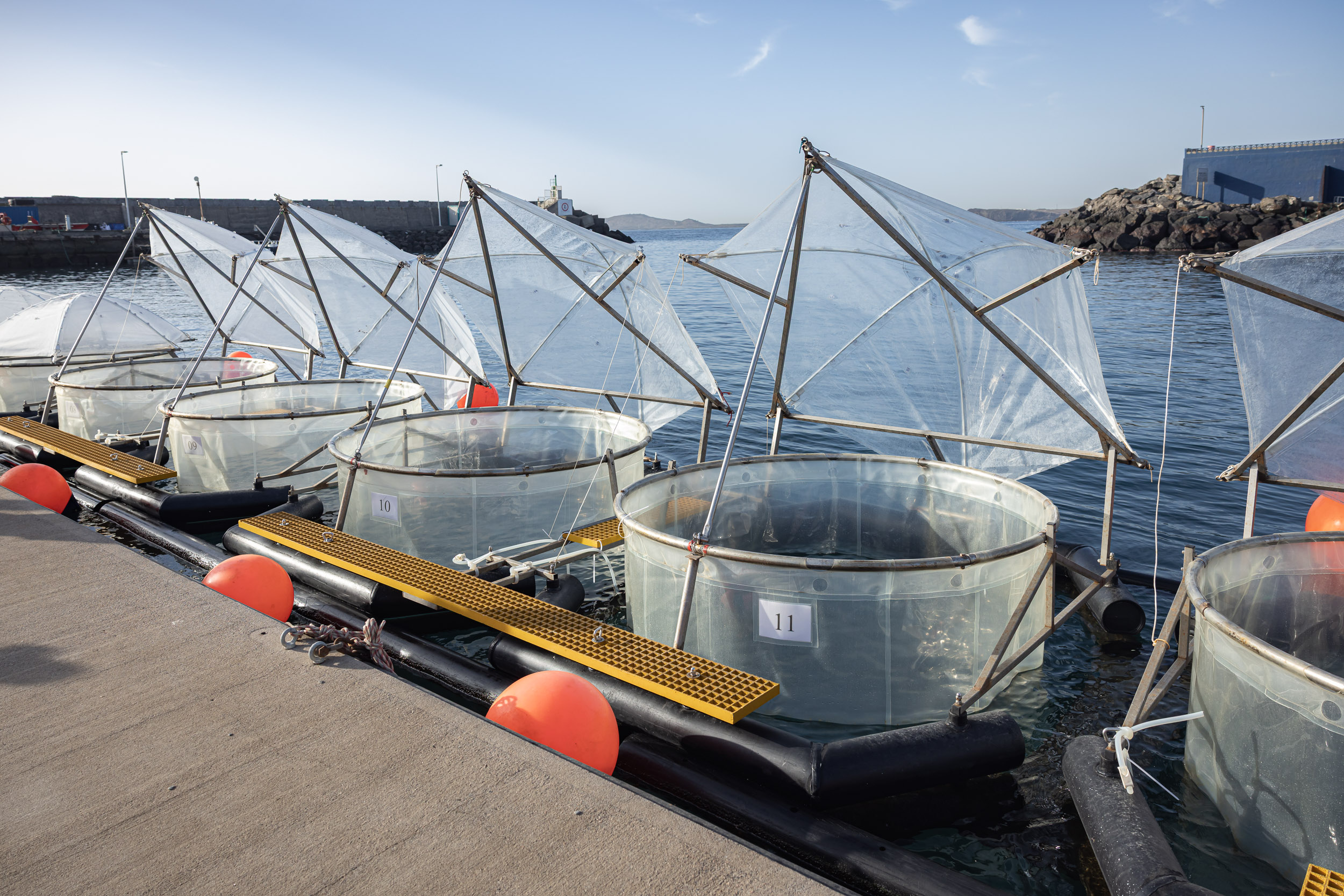
EDUSEN involved 10 schools and 133 students from 1st year Biology, Geology, and Environmental Science classes during the school year. Participants assembled ocean sensors, collected samples, and analyzed essential oceanographic variables to understand ocean health and local marine biodiversity.
Alongside the winner, who was also a finalist with the project Plankton: An Invisible Forest?, other finalists included IES Cairasco de Figueroa, with the poster Beyond the Blue: Analyzing Dissolved Solids in Coastal Waters and the project Science Among Waves: What You Don’t See, We Measure, as well as IES José Arencibia Gil for its results from the Study of Oceanic Variables on the Canary Coasts.
Initiatives like EDUBLUE and EDUSEN demonstrate how applying the scientific method to the local environment enables students to better understand science and their surroundings, while raising youth awareness about the value of the oceans and the need for their conservation.